

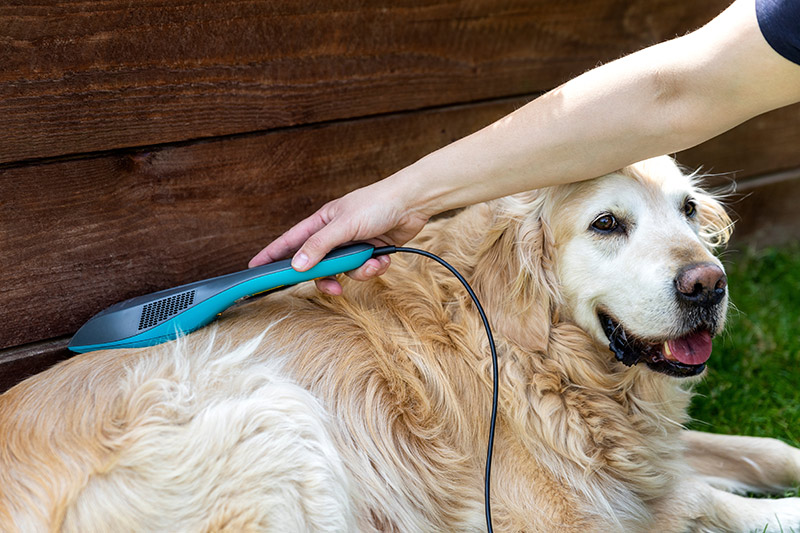
If your pet is recovering from an injury or surgery, supporting healing and comfort is often a priority. Laser therapy, also known as photobiomodulation, may be recommended as part of a recovery plan. This non-invasive treatment uses specific wavelengths of light applied to targeted areas to support the body’s natural repair processes. In veterinary care, it is commonly used to manage pain, reduce inflammation, and support tissue healing.
Because laser therapy does not involve needles and sessions are usually brief, many pets tolerate the treatment well. This can make it an option for supporting recovery without added stress. When used alongside other treatments, laser therapy may support comfort and mobility during the healing process.
When Is Laser Therapy Recommended for Pets?
Laser therapy may be recommended when your pet is dealing with ongoing pain, stiffness, or slower-than-expected healing, especially when you want a gentle, non-invasive option to support recovery. It is typically used as part of a broader treatment plan to help manage pain, reduce inflammation, and support tissue healing.
Veterinarians commonly use laser therapy for dogs and cats with conditions such as:
Arthritis and joint pain
Laser therapy may help reduce inflammation, support joint comfort, and improve local circulation, which may make movement easier for pets with arthritis.
Muscle strains and ligament injuries
By supporting cellular activity and helping manage swelling, laser therapy may assist the body’s natural repair processes during recovery.
Post-operative wounds
After surgery, laser therapy is often used to support healing at the surgical site and help manage inflammation and discomfort.
Chronic pain or inflammation
For longer-term conditions, laser therapy may be included as part of a multimodal plan aimed at improving comfort and function, often alongside medication, rehabilitation, or lifestyle changes.
Skin wounds and soft tissue injuries
Laser therapy may support tissue repair and circulation in and around wounds, which can aid healing when used alongside appropriate veterinary care.
While laser therapy can be helpful in many situations, it is not a one-size-fits-all treatment. A consultation with a veterinary rehabilitation clinic is important to confirm that it is appropriate for your pet’s condition.
How Laser Therapy Helps Healing: 6 Benefits for Your Pet
Laser therapy uses low-level light energy applied to targeted areas of the body to support natural healing processes. The light is absorbed by cells and can help improve circulation, support tissue repair, and modulate inflammation. Because the treatment is gentle, quiet, and non-invasive, it is generally well tolerated by pets during recovery.
Laser therapy may support healing in the following ways:
1. Supporting Wound and Tissue Healing
Laser therapy can support cellular activity involved in tissue repair, making it useful for wounds, surgical sites, and soft tissue injuries. By helping improve circulation to affected areas, it may assist the body’s natural healing response as recovery progresses.
2. Helping Manage Inflammation and Swelling
Inflammation is a common source of pain and stiffness after injury or surgery. Laser therapy can help modulate inflammatory responses, which may reduce swelling and discomfort and allow healing tissues to recover more comfortably.
3. Improving Mobility and Joint Function
For pets with joint stiffness, arthritis, or reduced range of motion, laser therapy may help support circulation and tissue flexibility around the joints. This can make everyday movement, such as walking or standing, feel easier over time.
4. Supporting Long-Term Comfort in Chronic Conditions
Pets living with chronic conditions may benefit from laser therapy as part of an ongoing management plan. Regular sessions can help support comfort and function over time, particularly when combined with other veterinary-recommended therapies.
5. Helping Reduce Reliance on Pain Medicationss
As a drug-free therapy, laser treatment is often used alongside medications and rehabilitation plans. In some cases, this may allow veterinarians to reduce medication doses while still maintaining comfort and mobility, depending on the pet’s response
6. Supporting Quality of Life During Recovery
When pain is better managed and movement feels easier, pets are often more willing to engage in daily activities. Improved comfort can support appetite, energy levels, and overall well-being, contributing to a smoother and less stressful recovery experience.
How Safe Is Laser Therapy for Pets?
Laser therapy is a non-invasive treatment that does not involve medication or needles. Most pets tolerate it well, and many remain calm during their sessions.
Some pets may feel mild warmth or brief sensitivity in the treated area, which usually resolves on its own. Sessions are short, and your veterinarian will advise how often treatment is needed based on your pet’s condition and response.
Enhancing Healing with Advanced Animal Rehabilitation
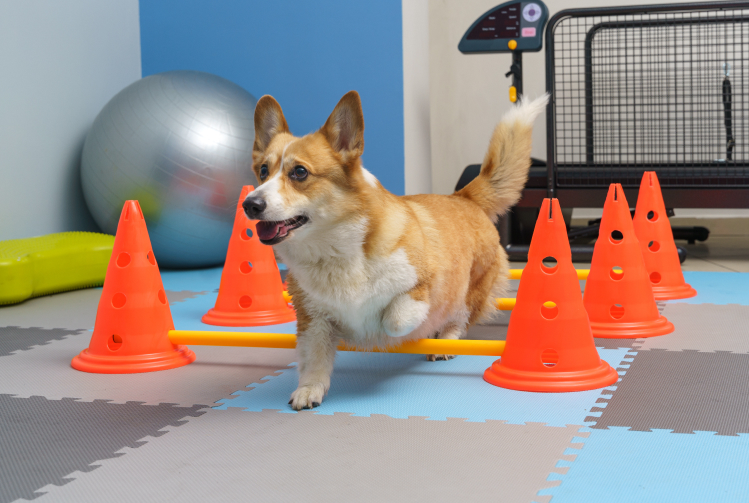
For many pets, recovery is not only about tissue healing, but also about maintaining comfort and restoring confident movement throughout the healing process. Laser therapy is commonly used as a supportive component of a broader rehabilitation plan, particularly when a gentle, low-stress approach is preferred.
At Advanced Animal Rehabilitation, laser therapy is incorporated as part of an individualised rehabilitation programme tailored to each pet’s condition, mobility needs, and recovery goals. Whether your pet is ageing, recovering from an injury, or healing after surgery, our veterinary rehabilitation professionals can assess suitability and recommend appropriate treatment options. Book an appointment with us to support your pet’s comfort, mobility and recovery.