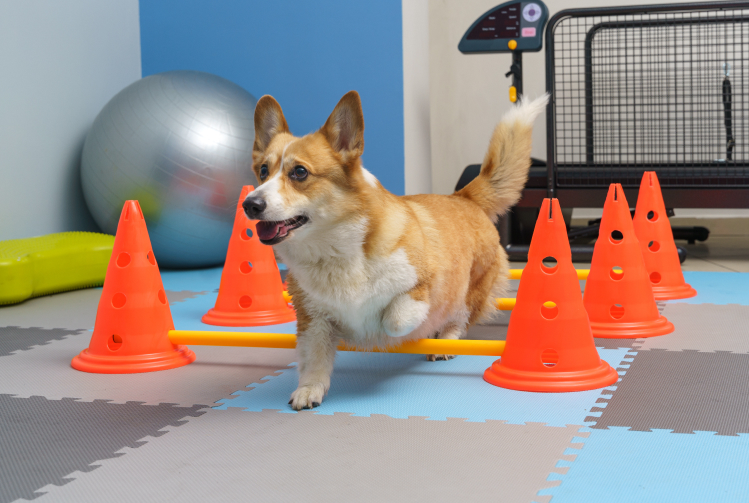


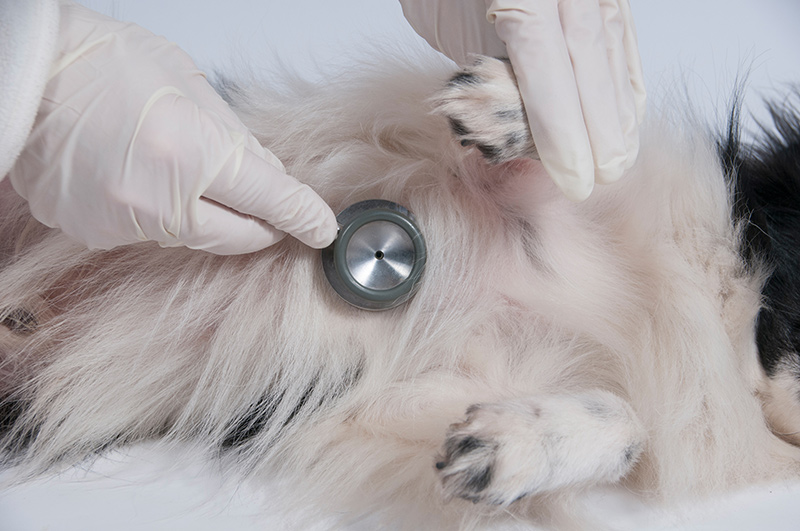
Rehabilitation for Pets With Heart and Lung Conditions
Heart and lung conditions can affect your pet’s breathing, stamina and comfort. Learn how rehabilitation, including respiratory therapy and low-impact exercise, helps improve circulation, lung function and overall quality of life.
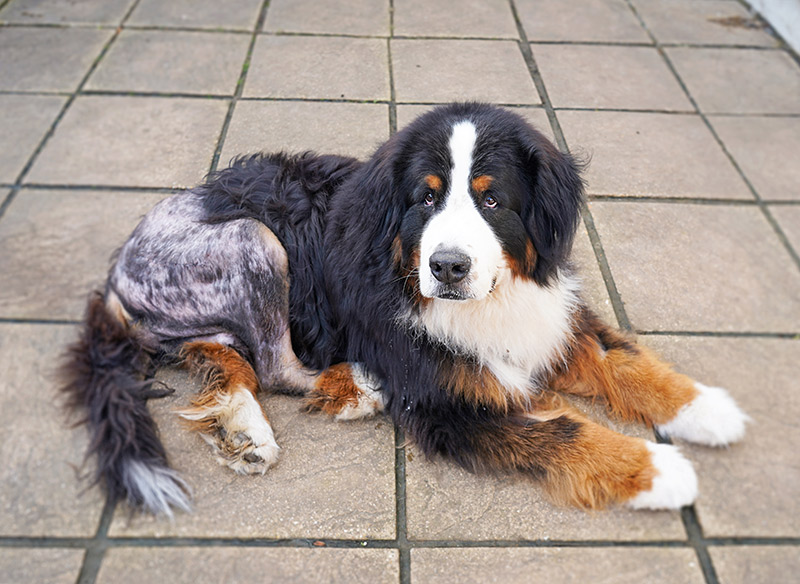
Is My Dog at Risk for Hip Dysplasia?
Hip dysplasia can affect dogs of all ages, causing stiffness, limping and reduced activity. Learn the early signs, causes and risk factors, including genetics and growth and how timely diagnosis helps support better joint health and mobility.
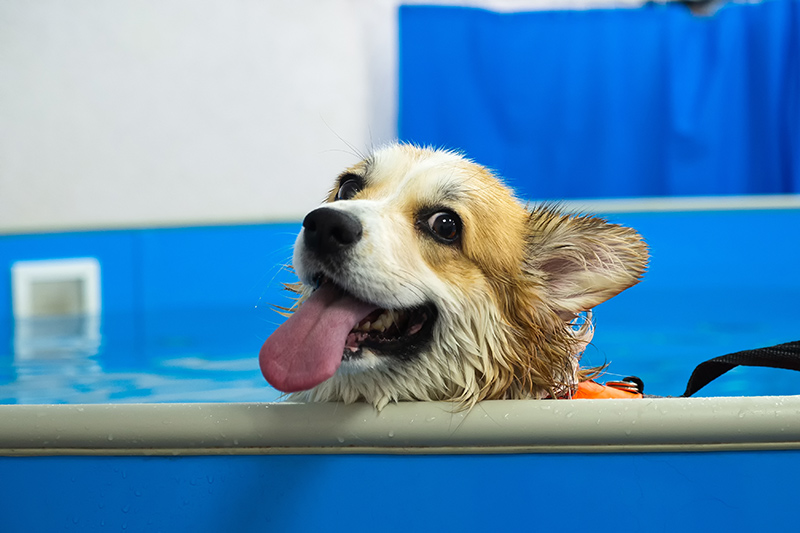
How Hydrotherapy Can Benefit Overweight Pets
Hydrotherapy is a safe and low-impact exercise approach to helping your pet lose weight. Find out how this treatment supports mobility, burns calories and improves fitness for overweight dogs and cats, contributing to long-term health and recovery.
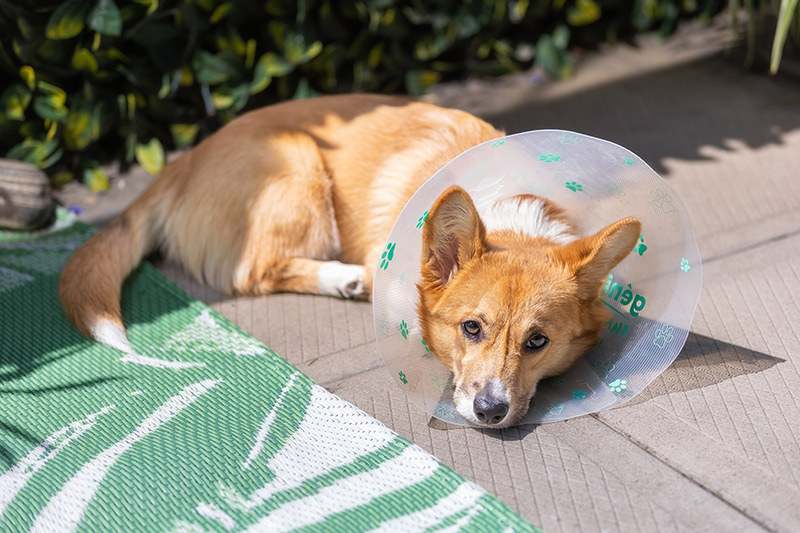
Tips For Taking Care of Your Pet After Spinal Surgery
Spinal surgery recovery requires careful aftercare and rehabilitation. Learn how crate rest, wound care and guided exercises support healing, improve mobility and help your pet regain safe, controlled movement after surgery.
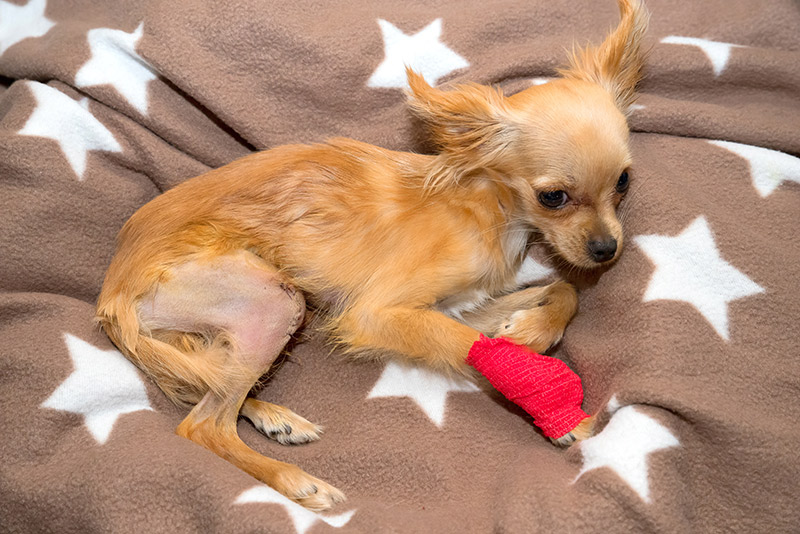
Rehabilitation and Recovery for Dogs After Patellar Luxation Surgery
Patellar luxation surgery is just the first step. Learn how proper post-surgical care, including rest, pain management and rehabilitation, supports healing, improves joint stability and helps your dog regain safe, comfortable movement.
Choosing the Right Rehabilitation Service for Your Pet
Pet rehabilitation can play an important role in helping animals recover from surgery, injuries and mobility issues. Learn more about how pets may benefit from rehabilitation therapy, the different treatment methods available and how to choose a suitable provider.
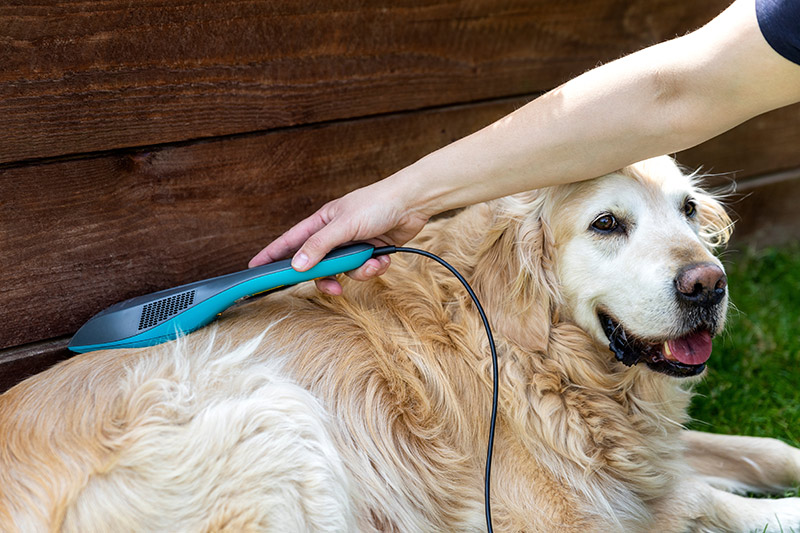
6 Benefits of Laser Therapy in Pet Recovery
If your pet is recovering from an injury or surgery, supporting healing and comfort is often a priority. Laser therapy, also known as photobiomodulation, may be recommended as part of a recovery plan. This non-invasive treatment uses specific wavelengths of light applied to targeted areas to support...
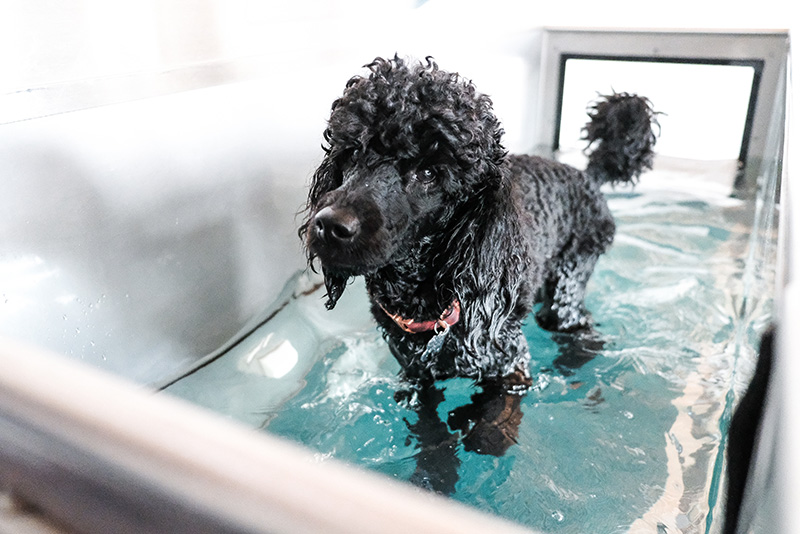
How Hydro Treadmill Therapy Supports Rehabilitation for Dogs
Canine hydro treadmill therapy is a rehabilitation approach that allows dogs to exercise with reduced joint loading. The buoyancy of water helps offset body weight, while the treadmill promotes steady, guided walking in a controlled setting.
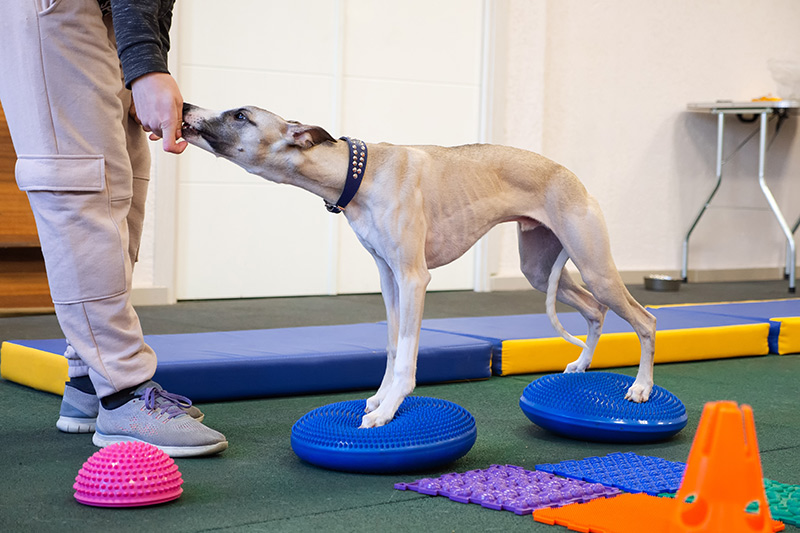
How Physiotherapy Helps Pets Recover From Injuries
Physiotherapy is commonly used to support pets during recovery from injury or surgery. It provides a structured and clinically guided way to support movement throughout the healing process, particularly when controlled exercise and supervision are required.
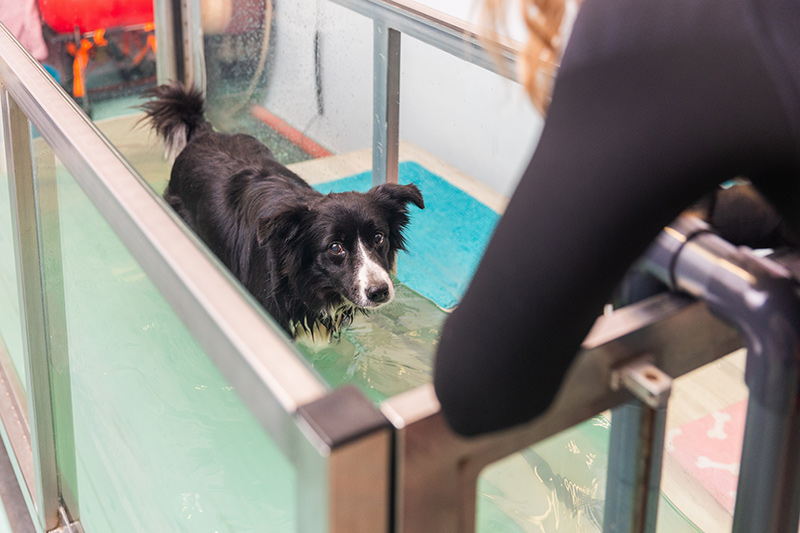
5 Ways Hydrotherapy Helps Dogs with Hip Dysplasia
Hip dysplasia can significantly limit a dog’s mobility, comfort, and overall quality of life. As the condition progresses, pain, stiffness, and reduced joint function often make everyday movements such as standing, climbing stairs, or walking increasingly difficult...
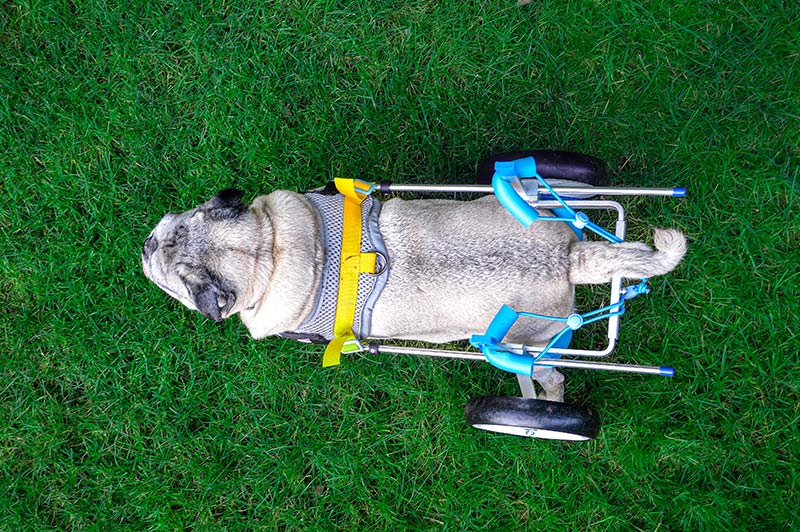
How to Care for a Dog with IVDD
Intervertebral Disc Disease (IVDD) involves degeneration or displacement of the spinal discs, which can place pressure on the spinal cord or surrounding nerves, leading to pain and changes in movement or neurological function. Because the spine and nervous system are affected, handling and activity...
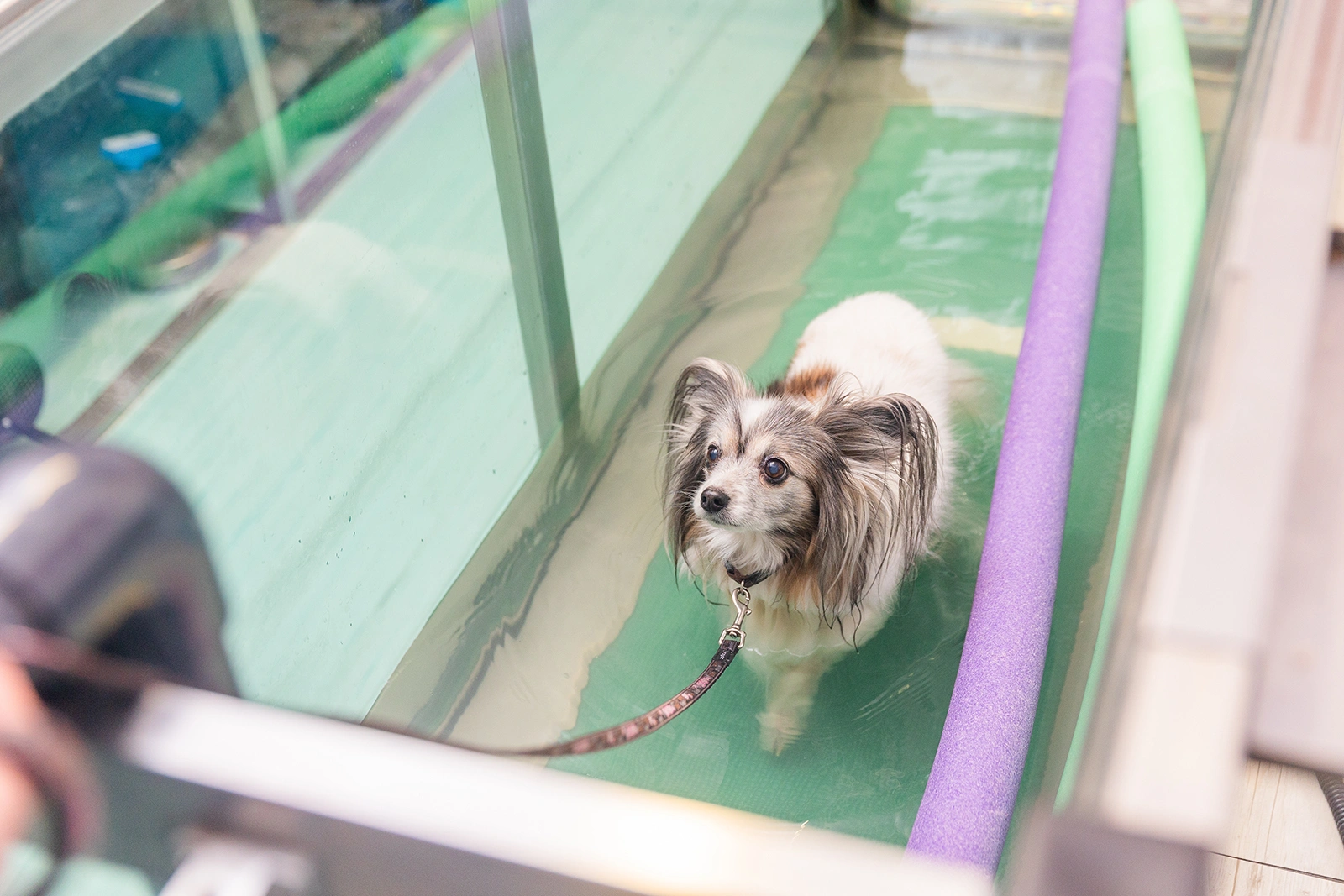
Benefits of Hydrotherapy for Post-Surgery Pet Recovery
Studies show that around 20% of dogs will experience joint or mobility issues during their lifetime, with the risk even higher in breeds predisposed to orthopaedic problems. When your furry companion requires surgery, the recovery journey can feel overwhelming, as healing demands time, care and patience...
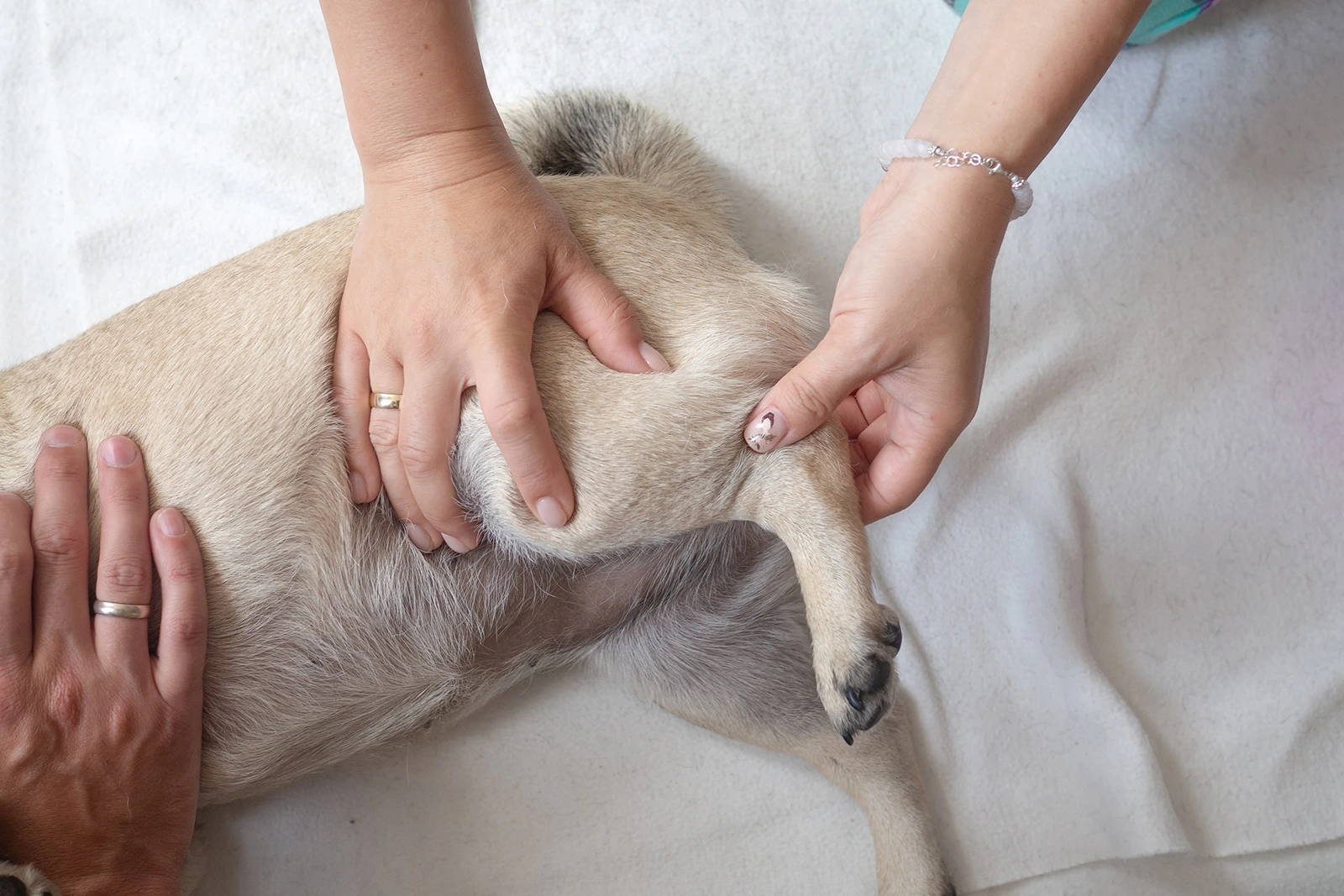
Common Conditions Treated With Animal Physiotherapy
Animal physiotherapy is a holistic approach to recovery that supports pets' healing from surgery, injury, or managing chronic conditions. By improving mobility, reducing pain, and promoting healing through targeted techniques such as manual therapy, therapeutic exercises, hydrotherapy and electrotherapy, it plays a vital role in restoring function and comfort...
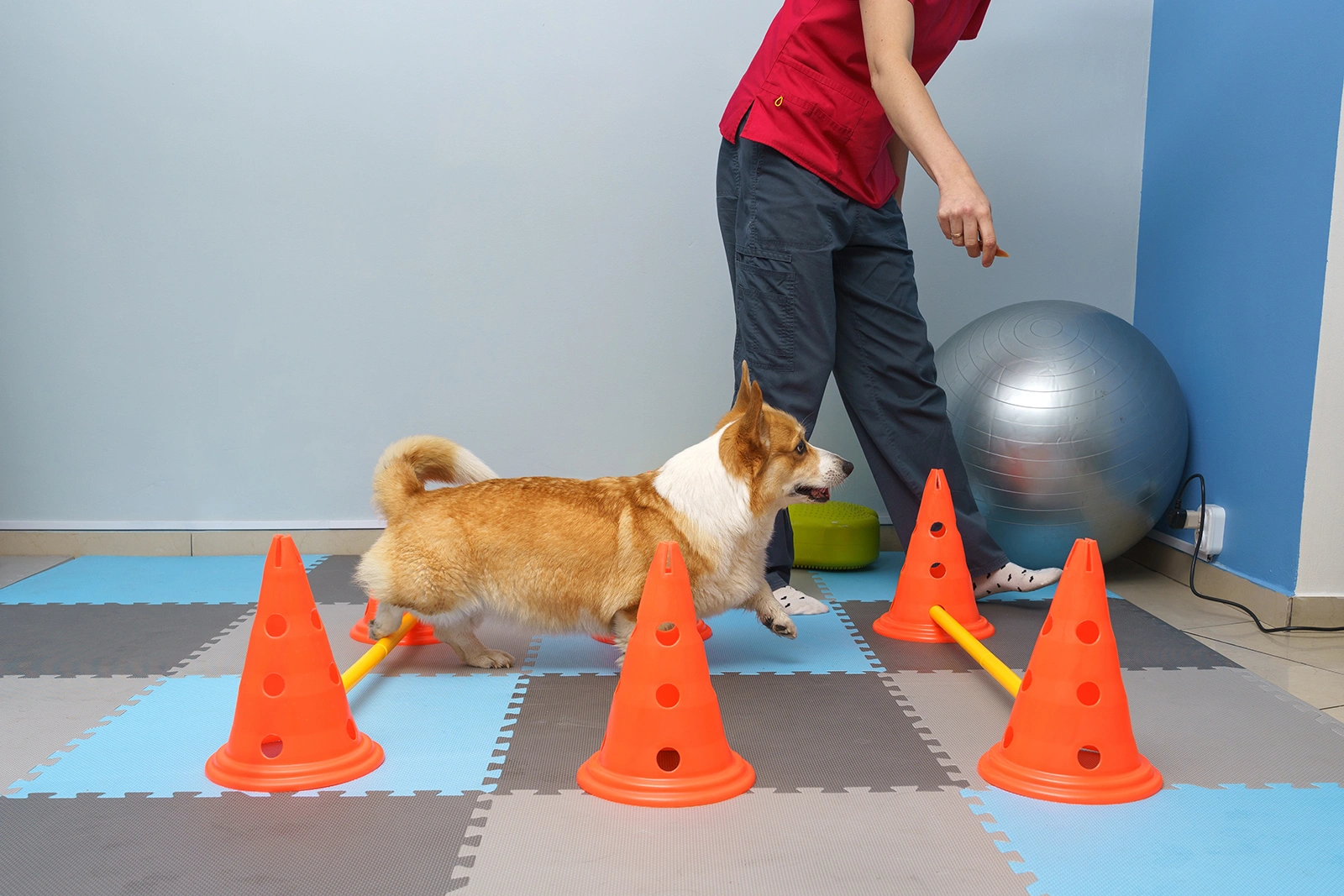
Common Pet Rehabilitation Exercises for Improving Mobility
As a pet owner, seeing your furry companions active and moving freely can be an enjoyable experience. However, just like humans, pets can also develop mobility issues which impact their vitality. These challenges may arise from ageing, injuries or chronic conditions...
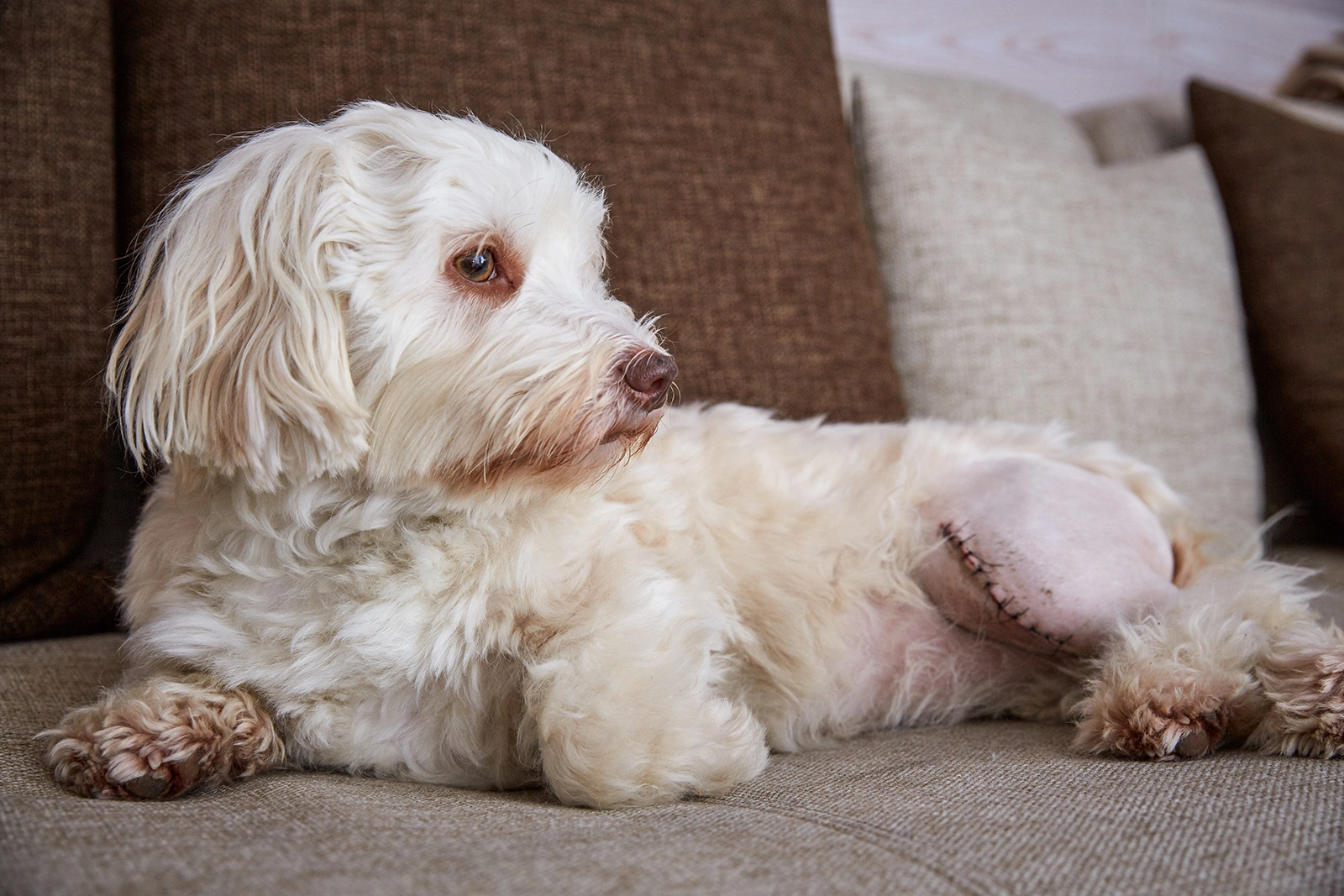
What Are the Common Symptoms of Luxating Patella?
A luxating patella, commonly referred to as a 'trick knee,' is a prevalent orthopaedic condition in dogs where the kneecap (patella) dislocates from its normal position within the femoral groove of the knee. This condition is particularly common in small-breed dogs, but it can also affect larger breeds, especially in cases of lateral luxation...
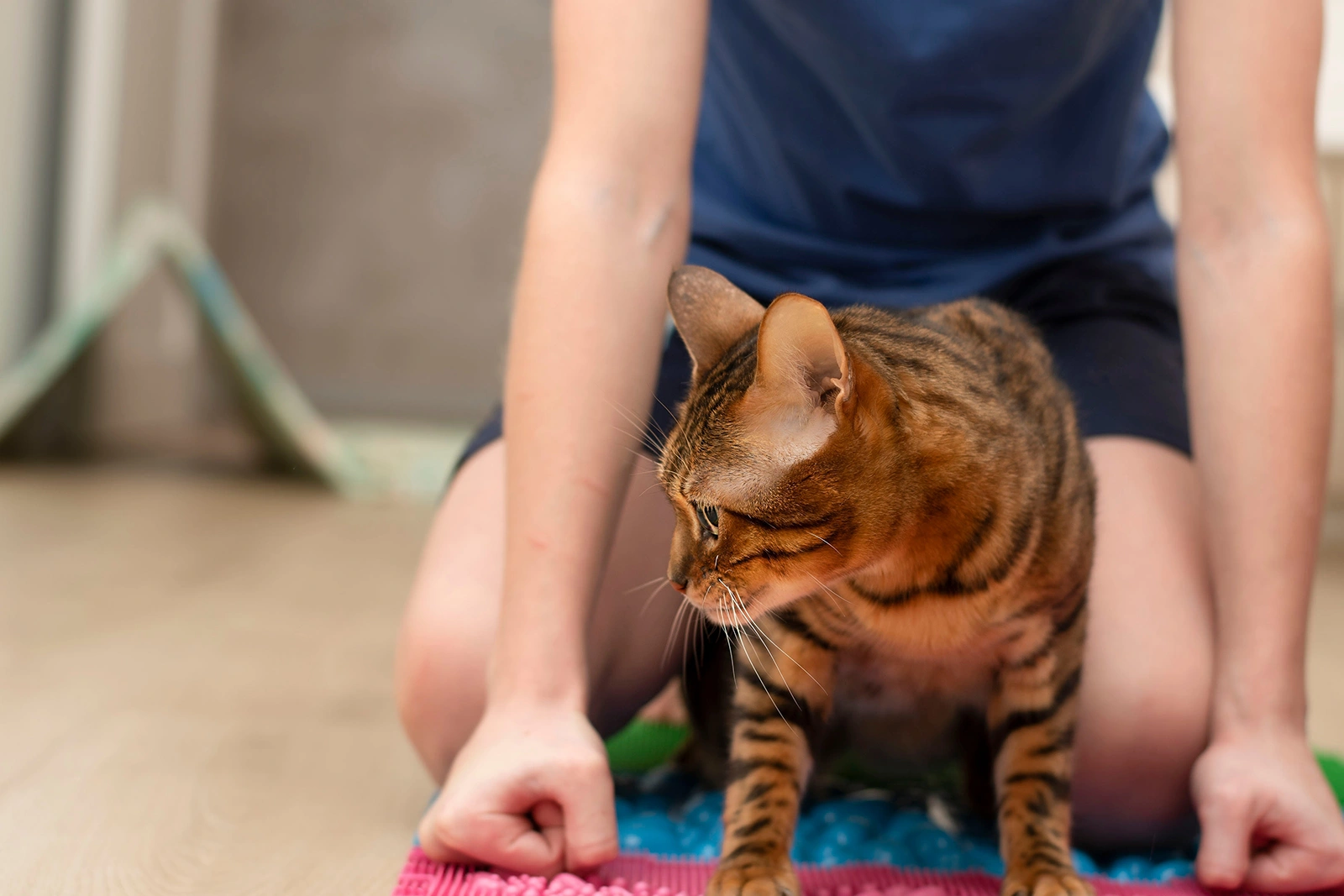
Rehabilitating Pets With Orthopedic Conditions
Rehabilitation therapy helps pets rebuild strength, improve movement and manage pain more effectively. From physiotherapy to hydrotherapy, these treatments support faster healing and help pets stay active, comfortable and confident during recovery and beyond...