

Hip dysplasia is a common joint condition that can affect dogs of all ages and breeds. It often develops gradually over time, causing stiffness, discomfort and mobility issues that can be worrying for both pets and their owners. Fortunately, with careful assessment by a veterinarian and proper care, you can help support your dog's hip health and keep them moving comfortably.
What Are the Early Signs of Hip Dysplasia in Dogs?
Early signs of hip dysplasia can be subtle and are often mistaken for tiredness or normal ageing. Recognising these changes early can help reduce discomfort and support timely management.
Pet owners should observe their dog's movement and behaviour for the following signs, which may point to hip dysplasia or other conditions being present:
- Decreased activity or reluctance to play
- Difficulty or hesitation when climbing stairs, running or jumping
- A "bunny hopping" gait (using both hind legs together) when running
- Stiffness or difficulty rising from a resting position
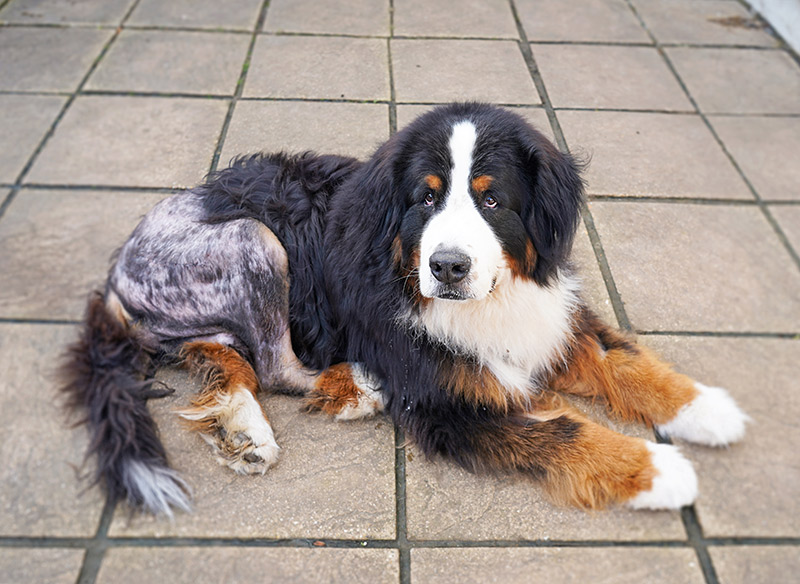
- Loss of muscle mass in the thighs (atrophy)
- Enlargement of the shoulder muscles as the dog compensates for hind-end weakness
What Causes Hip Dysplasia in Dogs?
Hip dysplasia develops due to a combination of genetic predisposition and environmental influences that affect how the hip joint forms over time. Rather than a single cause, it is typically the result of several contributing factors, including:
Genetic Factors
Genetics plays a significant role in hip dysplasia, with certain dogs inheriting a tendency for abnormal hip joint development. Puppies born to parents with poor hip conformation are more likely to develop the condition later in life, especially if the other factors apply to them as well.
Environmental Factors
While genetics sets the foundation, environmental factors can influence how the condition progresses. Excess body weight increases mechanical stress on developing joints, while imbalanced nutrition, particularly during growth, may affect bone and joint development. Inappropriate exercise during these critical growth windows, such as repetitive high-impact activity in young dogs, may also place added strain on immature joints.
Growth and Bone Development
Rapid growth, especially in large breeds, can increase the risk of hip dysplasia. When bones grow faster than the supporting muscles and tendons, the hip joint may not develop properly, which can lead to misalignment and dysplasia later in life.
Which Dog Breeds Are More Prone to Hip Dysplasia?
Hip dysplasia is more commonly seen in large and giant dog breeds, largely due to their size, growth rate and body structure. However, it can also affect some medium and smaller breeds.
Breeds commonly associated with hip dysplasia include:
- German Shepherds
- Labrador Retriever
- Golden Retrievers
- Rottweilers
- Saint Bernards
- Great Danes
- Bulldogs
- Newfoundlands
Although less common, smaller breeds such as Pugs and French Bulldogs may also develop hip dysplasia, especially if other risk factors are present.
How Is Hip Dysplasia Diagnosed in Dogs?
If your dog shows signs such as limping or difficulty standing, a veterinary assessment can help confirm the cause. Diagnosis typically involves a combination of physical examination and imaging tests.
Physical Examination
The vet will gently move your dog's hind legs to assess the range of motion, pain and any grinding sensation within the joint. They will also observe your dog's gait and posture to identify abnormalities.
Imaging Techniques
X-rays are the main tool used to confirm hip dysplasia. They show how well the ball (femoral head) fits into the socket (acetabulum) and reveal any joint changes. In some cases, advanced methods such as PennHIP may be used to assess joint looseness more precisely.
Staging Severity
Based on the examination and imaging findings, the vet will classify the severity of hip dysplasia to guide treatment decisions:
- Mild: There is slight looseness in the joint, but the ball remains mostly within the socket.
- Moderate: The fit of the joint is reduced and early signs of arthritis may be present.
- Severe: There is significant misalignment (luxation), with the ball sitting outside the socket and clear arthritic changes.
This staging helps the vet determine whether conservative management or surgical intervention is more suitable for your dog.
How to Manage Hip Dysplasia
If your vet confirms a diagnosis, there are many ways to manage the condition. The goal is always to relieve pain and maintain mobility.
Non-Surgical Management
For many dogs, lifestyle changes, rehabilitation and medical management can make a difference.
- Weight Management: Through balanced nutrition and controlled exercise, you can keep your dog lean to reduce pain and the mechanical load on the hip joints.
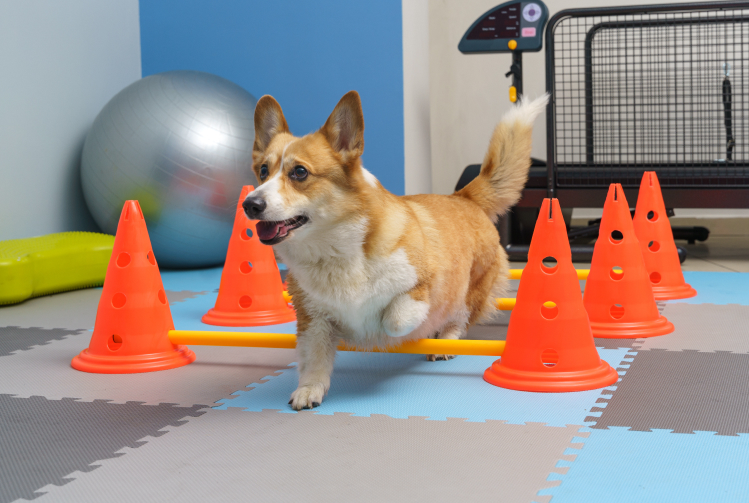
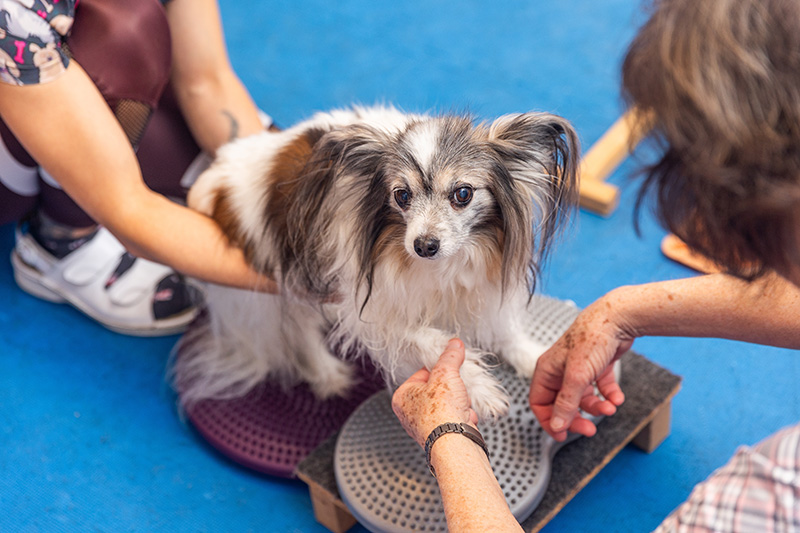
- Physiotherapy: A rehab vet clinic may recommend physiotherapy or hydrotherapy for building muscle without straining the joint further.
- Joint Supplements: Supplements containing glucosamine and chondroitin can help support cartilage health.
- Medication: Anti-inflammatory medications prescribed by your vet can help manage pain and inflammation during flare-ups.
Surgical Interventions
In severe cases, or for young dogs with significant joint laxity, surgery may be the right option. Procedures range from femoral head ostectomy (FHO), which involves removing the ball of the femur to create a false joint, to total hip replacement (THR), which replaces the entire joint with artificial components. Your vet will guide you on the best approach based on your dog's age and condition.
Caring for Your Dog's Hip Health With Specialist Assistance
Hip dysplasia is a serious condition, but it does not mean your dog cannot live a full and active life. With early detection and management, you can help your companion maintain better mobility as they grow and age. As responsible pet owners, your steady attention and care give your dog a strong chance to stay comfortable, confident and able to enjoy daily activities.
At Advanced Animal Rehabilitation, our programmes are designed to support dogs with various conditions through guided rehabilitation and close veterinary oversight. Through our integration with Advanced Vetcare, we ensure coordinated care between diagnosis and rehabilitation, allowing for a more structured and consistent approach to managing your dog's joint health.
If your dog is showing signs of hip discomfort or has been diagnosed with hip dysplasia, early rehabilitation may help support mobility and long-term joint function. Contact us today to learn more.