

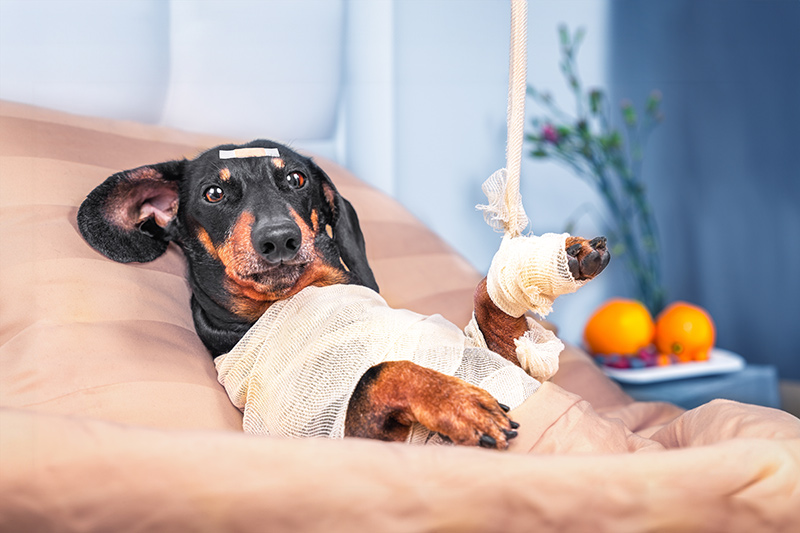
When your beloved pet is recovering from surgery, managing a chronic condition or experiencing reduced mobility in the wake of an injury, rehabilitation can play an important role in supporting their comfort and quality of life. Similar to the physical therapy that humans undergo, pet rehabilitation focuses on restoring strength and reducing pain through guided approaches.
However, rehabilitation services can vary widely in terms of what they offer. Treatment methods, facilities and professional expertise can all differ amongst clinics. So, how can you make the decision that's best for your furry friend?
In order to make an informed decision and account for your pet's medical needs, it is important to identify the kind of services available and learn how to evaluate care providers.
When Does a Pet Need Rehabilitation Therapy?
Pet rehabilitation therapy is often recommended when an animal is experiencing pain, reduced mobility or difficulty performing normal activities. When a pet is going through discomfort, owners may notice signs such as:
- Limping
- Weakness
- Difficulty standing
- Reluctance to jump, run or climb stairs
Many pets benefit from rehabilitation after orthopaedic procedures, spinal conditions or injuries that affect their muscles, joints or nerves. Rehabilitation therapy can also help pets who have long-term conditions such as hip dysplasia, patella luxation or intervertebral disc disease, which may cause lameness, stiffness or discomfort if left untreated.
In order to rebuild strength and improve the overall movement of your pet, targeted therapies such as physiotherapy and hydrotherapy may be able to help them regain mobility and manage pain more effectively.
Rehabilitation Methods for Pets
By combining different rehabilitation methods, veterinarians and pet therapists can tailor treatment to a pet's specific conditions, physical limitations and recovery goals. There are several types of therapies that are designed to improve mobility, reduce pain and support recovery after injury, surgery or illness. These treatments are often tailored to a pet's specific condition, physical limitations and recovery goals.
Physiotherapy
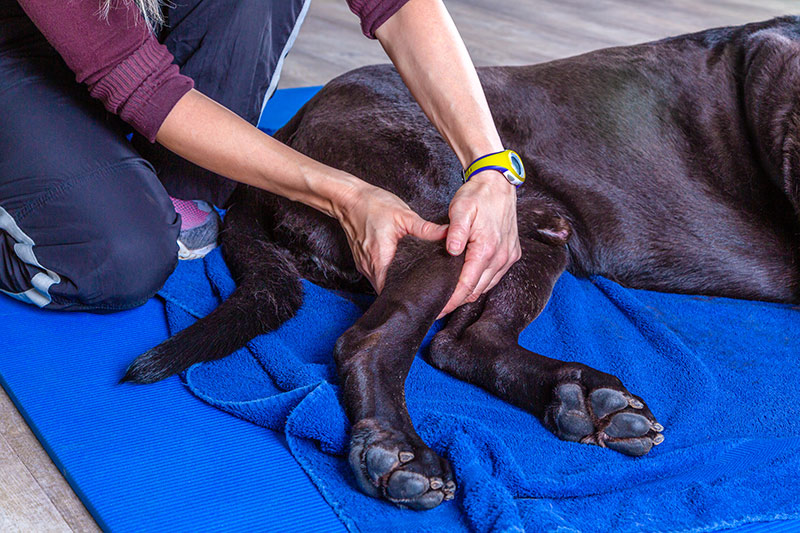
Animal physiotherapy focuses on improving a pet's strength, flexibility and coordination through guided exercises and manual techniques. Treatment may include stretching, joint mobilisation, muscle strengthening exercises and balance training to help pets regain normal movement patterns. Physiotherapy is commonly used for pets recovering from orthopaedic surgery, ligament injuries or neurological conditions that affect mobility.
Hydrotherapy
Animal hydrotherapy uses water-based exercises to support rehabilitation while reducing stress on a pet's joints. The buoyancy of water helps pets move more comfortably, allowing them to perform exercises that might otherwise be difficult on land. This therapy is often conducted in underwater treadmills or controlled swimming environments and can be beneficial for pets recovering from surgery, managing arthritis or rebuilding muscle strength after injury.
Electrotherapy
Electrotherapy uses controlled electrical stimulation to support muscle activation, pain management and tissue healing in pets undergoing rehabilitation. Depending on the condition being treated, techniques such as neuromuscular electrical stimulation or transcutaneous electrical nerve stimulation may be used to stimulate weakened muscles, reduce discomfort and improve circulation to affected areas. This therapy is often recommended for pets experiencing muscle loss after surgery or injury, nerve-related conditions or reduced mobility due to prolonged inactivity.
LASER Therapy
LASER therapy, also known as low-level laser therapy or photobiomodulation, uses specific wavelengths of light to stimulate cellular activity and promote tissue repair. The treatment is non-invasive and is commonly used to help reduce inflammation, relieve pain and accelerate healing in injured tissues. When incorporated into a broader rehabilitation programme, LASER therapy can support recovery by improving circulation, reducing swelling and helping pets move more comfortably during the healing process.
What Should You Look for in a Pet Rehabilitation Provider?
Choosing the right rehabilitation provider is important to ensure your pet receives safe, effective and well-coordinated care. Because rehabilitation often supports recovery from medical conditions or surgery, the provider should have the appropriate professional expertise, facilities and treatment approach to address your pet's specific needs.
Qualifications and Experience
One of the key factors to consider is the qualifications and experience of the rehabilitation team. Providers should have trained veterinary professionals or certified animal rehabilitation therapists who understand animal anatomy, mobility disorders and recovery protocols. Their experience in treating different conditions can help ensure therapies are applied safely and appropriately.
Veterinary Supervision
Rehabilitation programmes often work best when they are closely coordinated with your pet's primary veterinarian or surgeon. The presence of veterinary supervision helps ensure that treatments support the overall medical plan and that any complications or changes in your pet's condition can be addressed promptly.
High-quality Facilities and Equipment
The facilities and equipment available can also influence the quality of care your pet receives. Well-equipped rehabilitation centres may offer specialised tools such as underwater treadmills, therapeutic exercise equipment and dedicated treatment spaces designed to support safe rehabilitation sessions. Ideally, facilities will have a clean and safe environment, with equipment that is properly maintained, regularly sterilised and designed specifically for animal rehabilitation.
Purpose-built spaces also allow therapists to conduct different types of treatments comfortably and safely. For example, separate areas may be used for physiotherapy exercises, hydrotherapy sessions or specialised therapies such as laser or electrotherapy.
Individualised Treatment Plans
Another important aspect is whether the provider develops individualised treatment plans. Every pet's condition, age and recovery progress are different, so rehabilitation should be tailored rather than following a one-size-fits-all approach. A proper assessment and structured treatment plan can help track improvement and adjust therapies as your pet recovers.
Clear Communication With Owners
It can greatly help your peace of mind to work with providers who prioritise clear communication with pet owners. Regular updates, progress assessments and guidance on home exercises can help you stay involved in your pet's recovery journey. This collaboration between the rehabilitation team and pet owners often plays an important role in supporting long-term recovery and maintaining your pet's mobility.
What to Expect During Your Pet's Rehabilitation Journey
Pet rehabilitation is carried out in stages, to support gradual recovery and a slow return to mobility. Your care provider will slowly adjust the schedule according to your pet's progress, but there are several main steps that are standardised across many clinics.
Initial Assessment
Rehabilitation usually begins with a detailed assessment to evaluate your pet's condition, mobility and overall health. During this stage, the therapist may review your pet's medical history, examine their posture and gait and assess joint movement, muscle strength and neurological function.
Based on these findings, the rehabilitation team can develop a customised treatment plan that addresses your pet's specific needs, recovery goals and any limitations related to their condition or surgery.
Stage 1: Pain Management & Motor Function Restoration
The first stage of rehabilitation focuses on reducing pain and restoring basic motor function. Pets recovering from injury or surgery may experience inflammation, stiffness or muscle weakness that affects their ability to move comfortably.
Therapies at this stage may include gentle physiotherapy, laser therapy or electrotherapy to help manage pain, reduce inflammation and stimulate muscle activity. Controlled movements, massages and assisted exercises may also be introduced to encourage safe mobility without placing excessive strain on the affected area.
Stage 2: Posture Correction & Muscle Strengthening
Once pain is better managed and basic mobility improves, the next stage focuses on correcting posture and rebuilding muscle strength. Weak or imbalanced muscles can affect how a pet stands, walks or distributes weight across their limbs.
Therapeutic exercises, balance training and strength-building activities may be incorporated to improve stability and support proper body alignment. These exercises help rebuild muscle mass, support joint stability and prepare the pet for more active movement.
Stage 3: Proprioception & Coordination
The final stage of rehabilitation aims to restore proprioception, which refers to a pet's awareness of body position and movement. Injury, surgery or neurological conditions can affect this ability, making it harder for pets to coordinate their movements.
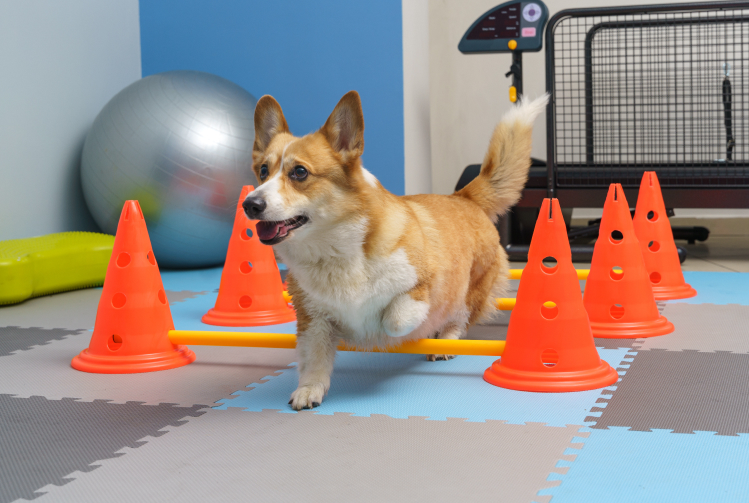
At this stage, rehabilitation exercises often involve balance platforms, obstacle navigation or controlled movement drills designed to improve coordination and body awareness. These activities help pets regain confidence in their movements and gradually return to their normal daily routines.
Picking the Right Choice for Your Pet
Choosing the right rehabilitation service can make a meaningful difference in your pet's recovery, comfort and long-term mobility. From understanding when rehabilitation is needed to exploring the different therapy options and evaluating the expertise of a provider, taking the time to make an informed decision helps ensure your pet receives appropriate and supportive care.
At Advanced Animal Rehabilitation, our programmes are designed to support pets recovering from various types of injuries, under close guidance by veterinary professionals. Our clinic's integration with Advanced Vetcare provides seamless coordination between veterinary and rehabilitation care. This close coordination ensures smooth referrals, consistent communication and a cohesive treatment journey, giving your pet the best possible support for long-term recovery and overall health.
If your pet is experiencing mobility issues or recovering from a medical condition, early rehabilitation support may help improve their recovery outcomes. Contact us today to learn more.