

Patellar luxation surgery is an important procedure that can correct a misaligned kneecap in a dog, helping to reduce pain and improve joint stability. However, while the surgery corrects the mechanical issue, the journey to full mobility does not end when your pet leaves the vet clinic. The weeks that follow are critical for healing, joint stability and long-term mobility.
During this period, careful management at home, combined with guided rehabilitation, plays a key role in preventing complications and supporting a smoother recovery. With the right approach, your dog can gradually rebuild strength, regain confidence in movement and return to daily activities more comfortably.
What to Expect Immediately After Patellar Luxation Surgery
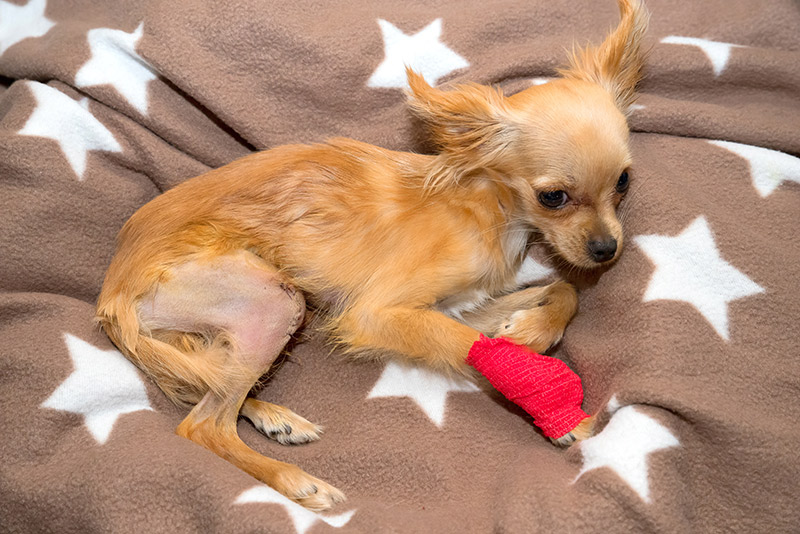
In the first 24–48 hours after surgery, your dog will likely be groggy and may whine due to the after-effects of anaesthesia or mild discomfort. Movement will be limited, and it is common for your dog to avoid putting weight on the operated leg as they regain mobility.
Recovery typically takes 6–8 weeks. During this time, your veterinary team will arrange follow-up visits, including a wound check and stitch removal after 10–14 days, followed by X-rays around the 4–8 week mark to assess bone healing and implant position.
Post-Surgical Care Routine for Dogs with Patellar Luxation
The recovery period after surgery requires a structured approach to support healing and reduce the risk of complications. This includes managing your dog's activity levels, comfort and daily routine to ensure a safe and steady recovery.
Crate Rest and Controlled Movement
Strict activity restriction is important to prevent re-injury or implant complications. Use a crate or small enclosed area to limit your dog's movement and prevent running, jumping or slipping on smooth surfaces. Gradual activity can be introduced only under your veterinarian's guidance, typically starting with short, slow leash walks.
Medication and Pain Management
Your veterinarian will prescribe pain relief and anti-inflammatory medications to keep your dog comfortable during recovery. It is important to give these exactly as instructed, even if your dog's condition appears to be improving.
Monitor your dog for any side effects, such as vomiting, diarrhoea or changes in behaviour. If you notice any of these, stop the medication and contact your vet for advice.
Wound Cleaning and Infection Prevention
Check the incision site daily to ensure it remains clean and dry. Your dog should wear a pet cone at all times until the stitches are removed to prevent licking or chewing. Licking can introduce bacteria into the site, leading to infection or possibly even reopening the wound. If you notice redness, swelling or discharge, contact your vet promptly.
Nutritious Diet and Supplements
Provide your dog with a balanced diet rich in protein to promote healing and bone recovery. Your vet may also recommend supplements containing glucosamine and chondroitin to support cartilage health and joint lubrication.
Weight Management During Recovery
Maintain an ideal body weight to reduce strain on the joints. To achieve this, avoid overfeeding or giving high-calorie treats. Instead, encourage gradual weight control through measured meals and balanced nutrition.
Rehabilitation and Physiotherapy
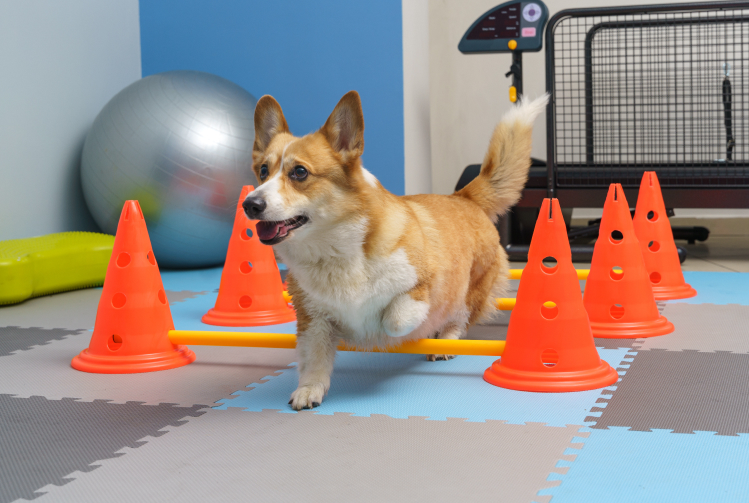
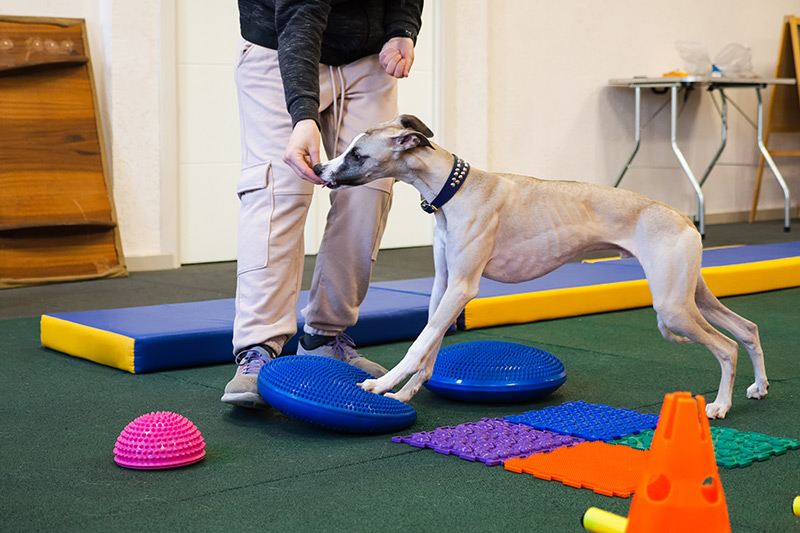
To further support your dog's recovery, seek out tailored rehabilitation programmes to help your pet build strength and support their muscles and joints. These rehabilitation centres may offer physiotherapy or hydrotherapy treatment to aid in joint mobility and provide pain relief without placing excessive stress on your pet's weight-bearing limbs.
When Should I Contact My Veterinarian?
If certain symptoms arise during this rehabilitation period, your pet may require immediate professional attention. Contact your vet if you notice:
- Persistent swelling, redness or discharge near the incision site
- Sudden limping or a reluctance to move after a period of improvement
- Loss of appetite, fever or unusual changes in behaviour such as aggression or extreme lethargy
A Steady Path Toward Regaining Comfortable Movement
Recovery after patellar luxation surgery takes time, consistency and the right level of support at each stage. With structured rehabilitation and careful home management, your dog can regain strength, improve joint stability and return to more comfortable movement.
At Advanced Animal Rehabilitation, our programmes are guided by veterinary professionals and supported by our integration with Advanced Vetcare. This allows for coordinated care between surgery, follow-up and rehabilitation, ensuring a more seamless and consistent recovery journey for your dog.
If your dog is recovering from patellar luxation surgery, early rehabilitation support may improve recovery outcomes and long-term joint function. Contact us today to learn more about how we can help.