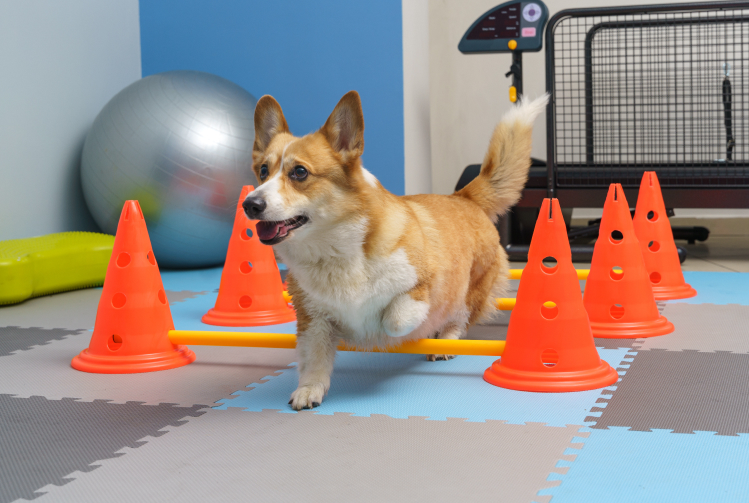


Heart and lung conditions in pets can limit how comfortably they move, breathe and tolerate everyday activity. You may notice your pet tiring more easily, breathing faster or avoiding exercise altogether after a diagnosis or treatment procedure.
While medical treatment is essential, rehabilitation plays an important role in supporting long-term management. With carefully structured, low-impact exercises and respiratory therapy, you may be able to improve your pet's circulation, build their stamina and help them maintain better breathing function without placing unnecessary strain on the body.
What Are the Early Signs of Heart and Lung Problems in Pets?
Heart and lung conditions in pets can be difficult to detect in the early stages, as many animals hide signs of discomfort. Subtle changes may appear first, which is why regular veterinary check-ups are important, especially as pets age.
Common early signs include:
- Persistent coughing or wheezing: This may indicate irritation or fluid build-up affecting the airways.
- Rapid or shallow breathing, even at rest: Changes in breathing patterns can suggest reduced oxygen exchange or increased effort to breathe.
- Lethargy or reluctance to exercise: Pets may tire more easily due to reduced oxygen delivery to the body.
- Fainting or collapsing during excitement: This can occur when your pet's heart cannot meet increased oxygen demands.
- Blue or pale gums: This may indicate poor oxygenation and requires prompt veterinary attention.
What Are Common Heart and Lung Conditions in Pets?
Heart and lung conditions in pets often affect each other, as the heart pumps oxygenated blood while the lungs supply oxygen. When one system is compromised, the other may have to work harder, leading to reduced stamina and breathing difficulties.
Common Heart Problems
Heart disease affects how efficiently blood circulates through the body. Common conditions include:
- Mitral valve disease: This condition is more common in small dog breeds, where the valve weakens and allows blood to leak backwards, reducing circulation efficiency.
- Dilated cardiomyopathy (DCM): This condition is often seen in larger breeds, where the heart muscle becomes weakened and less effective at pumping blood.
Management may include structured rehabilitation programmes to support circulation and maintain muscle strength without overloading the heart.
Common Lung Issues
Respiratory conditions affect airflow and oxygen exchange, which can impact a pet's energy levels and comfort. Common issues include:
- Chronic Bronchitis: This condition involves long-term inflammation of the airways, which can cause persistent coughing and difficulty breathing.
- Feline Asthma: This condition causes the airways to narrow, leading to wheezing and episodes of respiratory distress in cats.
Supportive therapies can help manage symptoms, promote more stable breathing and reduce the frequency of flare-ups.
How Rehabilitation Helps Pets with Heart and Lung Conditions
Rehabilitation for cardiac and pulmonary issues aims to improve your pet's physical capacity without placing dangerous stress on their system.
Respiratory Physiotherapy Techniques
For pets with lung conditions, especially those recovering from pneumonia or experiencing mucus build-up, physiotherapy helps improve lung capacity, clear secretions and reduce the risk of complications such as lung collapse (atelectasis).
Common techniques include:
- Positional Changes: Changing your pet's position regularly—such as rotating between the left side, chest (sternal) and right side—can help improve drainage and reduce pressure on the lungs.
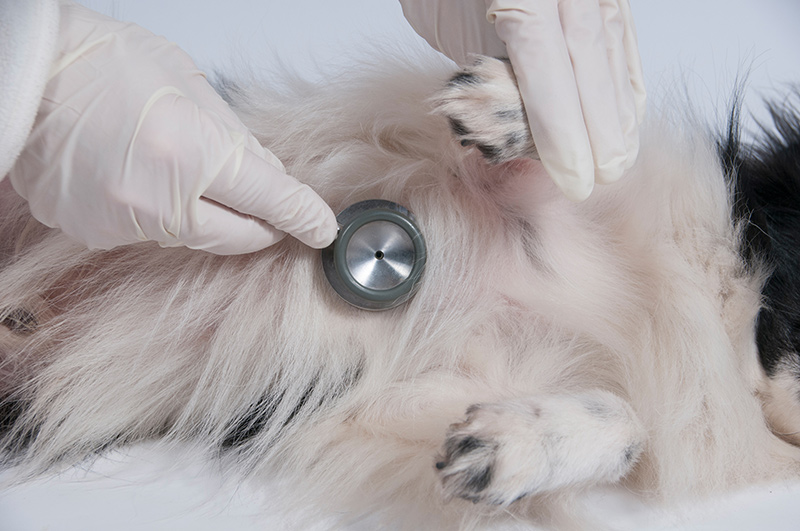
- Percussion and Vibration: Gentle, rhythmic tapping on the chest with a cupped hand, combined with vibration during exhalation, helps loosen mucus and move it toward the larger airways.
- Cough Stimulation: A therapist may gently stimulate the airway to encourage coughing, which helps clear mucus that has been loosened during treatment.
Hydrotherapy
Some rehab vet clinics provide personalised programmes that ease pets back into comfortable movement and healthier breathing rhythms.
Hydrotherapy is often used for pets with heart and respiratory conditions. Because water provides buoyancy, it supports your pet's body weight, allowing them to exercise without straining their joints.
Hydrotherapy offers several specific benefits, including:
- Enhanced Lung Capacity: The hydrostatic pressure of the water against the chest wall creates gentle resistance. This forces the respiratory muscles to work slightly harder, encouraging deeper breathing and lung expansion.
- Improved Circulation: The warm water and movement stimulate blood flow, aiding the delivery of oxygen-rich blood to tissues.
- Stress Reduction: Controlled swimming or walking in an underwater treadmill can be soothing, helping to lower heart rate variability and promote relaxation.
Supporting Recovery Through Gentle, Targeted Care
Your role at home is just as important as the care your pet receives at the clinic. Consistent daily routines can help support heart and lung function and maintain overall stability.
Nutrition and Weight Management
A balanced diet supports overall health. Pets with heart conditions often benefit from low-sodium diets to reduce fluid retention, while those with lung issues may need antioxidants to combat inflammation. Your vet may recommend specific nutrients, such as Omega-3 fatty acids, to support heart health.
Home Care and Monitoring
Regular monitoring at home helps you track your pet's breathing patterns, heart rate and energy levels. These observations allow for timely adjustments to care and help you detect early signs of deterioration, supporting more effective long-term management.
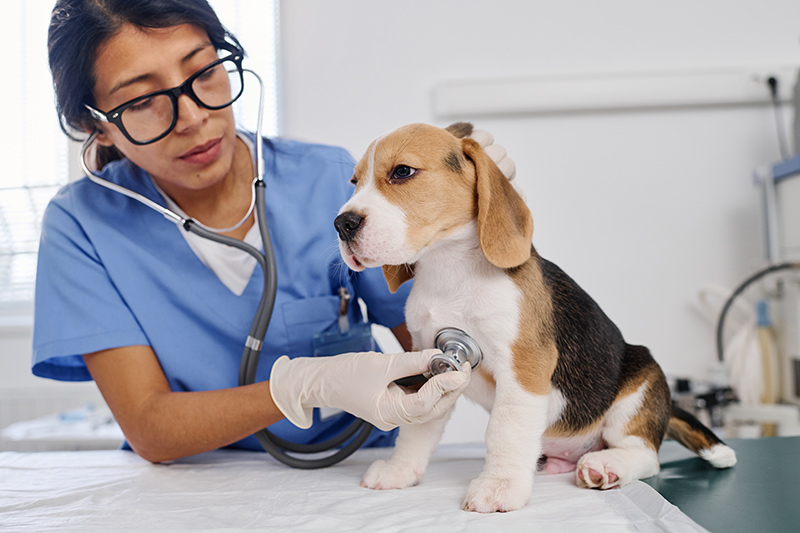
Start Your Pet's Recovery Journey With a Rehabilitation Specialist
Rehabilitating a pet with heart or lung conditions requires patience and consistency. While these conditions can be serious, a veterinary-approved rehabilitation plan offers a path toward improved comfort and vitality. With the right support, many pets can continue to maintain a good quality of life.
At Advanced Animal Rehabilitation, our programmes are guided by veterinary professionals and supported by our integration with Advanced Vetcare. This allows for coordinated care between diagnosis and rehabilitation, helping ensure a more structured and consistent approach to managing your pet's condition.
If your pet has been diagnosed with a heart or lung condition, early rehabilitation may help support their long-term health and mobility. Contact us today to learn more.
FAQs About Rehabilitation for Pets With Heart and Lung Conditions
Can pets fully recover from heart or lung diseases?
Some acute conditions, such as pneumonia, can resolve completely with appropriate treatment. However, many heart and lung diseases are chronic and may not be fully reversible. In these cases, ongoing management and rehabilitation can help control symptoms, slow disease progression and improve your pet's quality of life.
How can I support my pet's recovery at home?
You can support recovery by maintaining a calm, stress-free environment and strictly following any prescribed medication schedules. Keep your pet at a healthy weight to reduce physical strain, and monitor their breathing rate regularly. Avoid strenuous play and ensure they have a comfortable, accessible place to rest away from extreme heat or cold.
Is surgery necessary for pets with heart or lung problems?
Most pets respond well to a combination of medication and structured rehabilitation. Surgery is typically reserved for specific structural defects or acute issues that cannot be resolved through medical management alone.