

Spinal surgery is one of the most intricate procedures in veterinary care, often performed to treat conditions such as intervertebral disc disease (IVDD) or spinal injuries. While surgery helps address the underlying issue, recovery does not end once your pet leaves the clinic.
The weeks that follow are critical. Proper aftercare, a calm environment and close monitoring at home play an essential role in supporting healing and helping your pet return to safe, controlled movement.
Post-Surgical Care at Home for Pets After Spinal Surgery
Bringing your pet home after spinal surgery can feel daunting, but a structured approach can help make recovery smoother. In this early stage, the priority is to protect the surgical site, keep your pet comfortable and carefully control activity to support proper healing.
There are several key priorities you should keep in mind during this period. You should ensure that you:
1. Set Up a Safe and Quiet Recovery Area
Prepare a crate or enclosed pen that gives your pet enough space to stand, turn and lie comfortably, but limits walking or pacing. Line it with non-slip, well-cushioned bedding to support the joints and reduce the risk of pressure sores. Place the enclosure in a quiet, low-traffic area of the home, away from noise or other pets, to help your pet rest and recover calmly.
2. Limit Movement
For the first few weeks, your pet's activity should be strictly limited to support proper spinal healing. Avoid activities such as jumping, running or climbing stairs. If your home has slippery floors, use non-slip mats or rugs to reduce the risk of falls. When necessary, carry your pet to help them move safely between areas.
3. Adhere to the Medication Schedule
Your veterinarian will prescribe specific medications to manage pain, reduce inflammation and prevent infection. It is crucial to administer these exactly as directed and at the correct times. You can also keep a medication log to track when each dose was given. If you notice any side effects such as vomiting, diarrhoea or extreme lethargy, contact your vet immediately.
4. Maintain Proper Wound Care
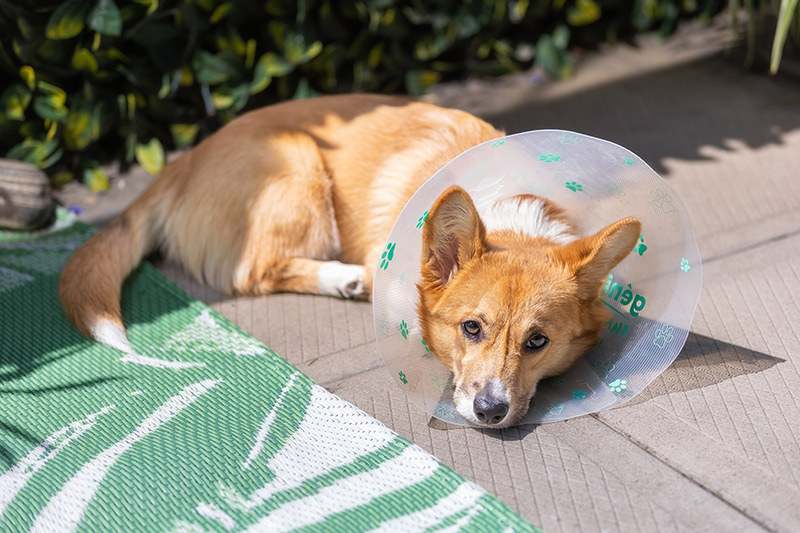
Inspect the incision site daily for any changes, such as redness, swelling or bleeding. The area should look clean, with the skin edges held together. Keep the incision dry and ensure your pet wears their pet cone or recovery suit at all times to prevent licking or chewing at the stitches. If the wound becomes wet or dirty, gently clean it according to your vet's instructions.
5. Provide a Nutritious, Easy-to-Digest Diet
Good nutrition plays an important role in healing. Provide a high-quality, easily digestible diet to support tissue repair and maintain energy levels. Ensure your pet has constant access to fresh water.
As reduced activity may lead to constipation, monitor bowel movements closely and consult your vet if your pet has difficulty passing stool.
6. Assist with Mobility
In the early days, your pet may need physical support to stand or walk, especially for toilet breaks. You can use a sling or a rolled-up towel placed under their abdomen (for dogs) to support their weight while they walk. Lift them carefully, keeping their spine level and avoiding twisting their body or letting their hind legs dangle.
7. Gentle Rehabilitation and Exercise
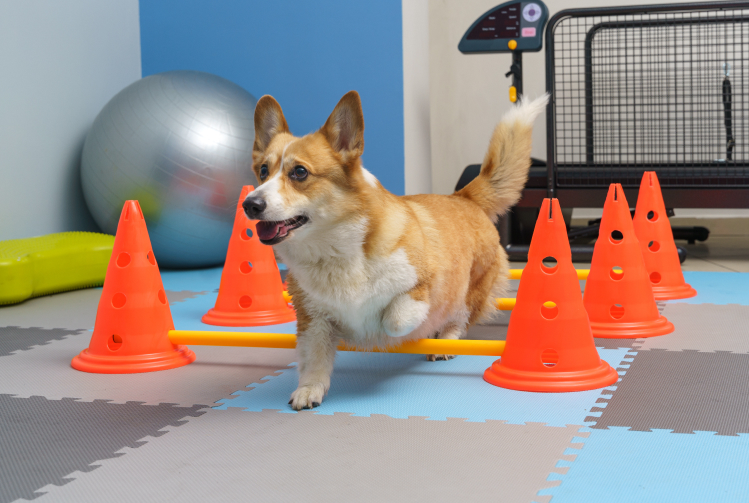
Rehabilitation becomes an important part of recovery once your vet advises it is safe to begin. These exercises help restore strength, improve coordination and support nerve function.
Common rehabilitation options include:
- Short, controlled walks on flat ground to gradually reintroduce weight-bearing
- Passive range-of-motion exercises, guided by a vet therapist, to maintain joint flexibility
- Hydrotherapy, which allows muscle strengthening with minimal stress on the spine
- Physiotherapy techniques, such as neuromuscular stimulation, to support nerve recovery
When Do You Need to Contact Your Vet Immediately?
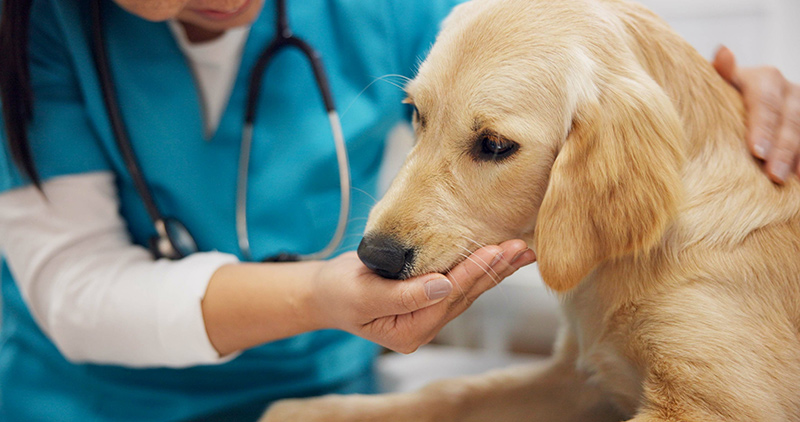
After spinal surgery, close monitoring at home is essential. Certain changes may signal complications and require prompt veterinary attention.
Contact your vet if you notice any of the following:
- Changes in the incision site: This includes significant swelling, bleeding, yellow or green discharge, or missing sutures
- Signs of pain: Persistent whining, panting, trembling or refusal to eat despite medication
- Loss of mobility: If your pet was improving but suddenly cannot stand or move their legs
- Bladder issues: Difficulty urinating for more than 12–24 hours, or continuous urine dribbling
- Gastrointestinal distress: Vomiting, severe diarrhoea or blood in the stool
Early intervention can help prevent complications and support a safer recovery. Regular follow-up visits also allow your vet to monitor healing, adjust treatment and guide rehabilitation.
Supporting Long-Term Recovery and Mobility After Spinal Surgery
Recovery after spinal surgery requires patience, consistency and the right level of support at each stage. With structured rehabilitation and careful home management, pets can gradually rebuild strength, improve coordination and regain safer, more confident movement.
At Advanced Animal Rehabilitation, our programmes are guided by veterinary professionals and supported by our integration with Advanced Vetcare. This allows for coordinated care between diagnosis, surgery and rehabilitation, ensuring a more seamless and consistent recovery journey for your pet.
If your pet is recovering from spinal surgery, early rehabilitation support may help improve mobility and long-term outcomes. Contact us today to learn more.