

Physiotherapy is commonly used to support pets during recovery from injury or surgery. It provides a structured and clinically guided way to support movement throughout the healing process, particularly when controlled exercise and supervision are required.
Also known as physical therapy, physiotherapy focuses on restoring functional movement and comfort as recovery progresses. Treatment plans are individually designed, taking into account the pet’s condition, stage of healing, and physical capabilities.
The 5 Benefits of Physiotherapy for Your Pet
Physiotherapy supports recovery by addressing multiple aspects of movement and physical function, rather than focusing on a single outcome. This approach helps pets regain movement gradually and safely, improving comfort and confidence as healing continues.
1. Improves Mobility and Flexibility
Physiotherapy helps maintain or restore joint range of motion, which is particularly important following injury or surgery. Improved flexibility can make everyday activities, such as walking or climbing stairs, feel more stable and controlled as recovery advances.
2. Builds Muscle Strength Without Excess Strain
Targeted exercises are used to strengthen supporting muscles while promoting joint stability and proper posture. Gradual strengthening helps protect healing tissues, reducing the risk of overloading or compensatory movement patterns.
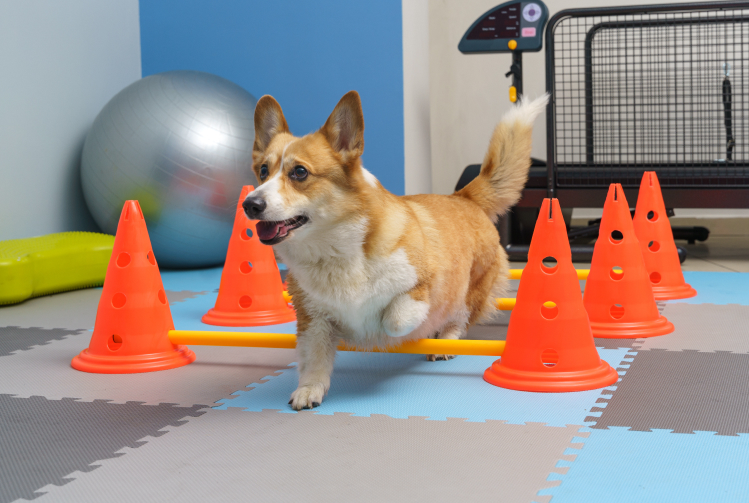
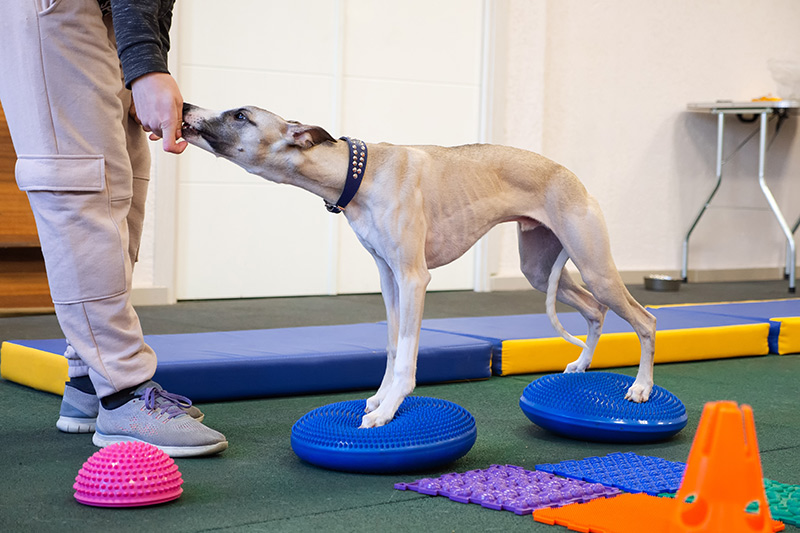
3. Enhances Balance and Coordination
Through guided exercises and controlled movement, physiotherapy can help restore balance and coordination. This supports steadier movement and improved body awareness, which is especially beneficial following injury or in pets with neurological involvement.
4. Supports Safe Weight Management
Physiotherapy provides a controlled and low-impact way for overweight or deconditioned pets to remain active. Exercises are adapted to minimise joint stress while encouraging movement that supports conditioning and energy use.
5. Encourages Confidence and Willingness to Move
As movement becomes easier and less uncomfortable, many pets show greater confidence and willingness to engage in activity. This gradual return to movement supports recovery without placing unnecessary physical demands on the body.
Tailored Physiotherapy Techniques That Work
Recovery is not a one-size-fits-all process. Physiotherapy programmes are typically planned and guided by veterinarians or rehabilitation specialists with techniques selected based on a pet’s condition, size, age, and stage of recovery. A combination of approaches may be used to support specific rehabilitation goals and guide safe, progressive improvement.
Common physiotherapy techniques include:
Hydrotherapy
Hydrotherapy uses water-based exercise to reduce load on the joints while encouraging controlled movement. It is commonly used for pets recovering from orthopaedic surgery, managing arthritis, or rebuilding strength after periods of limited activity. Water support allows pets to move more freely while still engaging muscles during exercise.
Cold Laser Therapy
Cold laser therapy, also known as therapeutic laser therapy, is used to support tissue healing and help manage inflammation. It is often included in rehabilitation plans for post-surgical recovery, soft tissue injuries, or chronic pain conditions, particularly when a non-invasive option is preferred.
Massage Therapy
Massage therapy focuses on relieving muscle tension and supporting circulation. It may be beneficial for pets experiencing muscle tightness, post-surgical stiffness, or reduced mobility. Gentle manual techniques can help improve comfort and prepare muscles for movement-based exercises.
Range of Motion Exercises
Range of motion exercises are used to help maintain joint flexibility and support normal movement patterns. These exercises are commonly introduced after surgery or injury and may also be used for pets with chronic joint conditions to help prevent stiffness and support everyday mobility.
Strength Training
Strength training targets specific muscle groups to support stability and functional movement. It is often recommended for pets recovering from orthopaedic or neurological injuries, as well as those with muscle weakness or imbalance. Exercises are introduced gradually to build strength while protecting healing tissues.
How Vets Create Personalised Recovery Plans
Veterinary rehabilitation specialists take a comprehensive approach to injury recovery, looking beyond individual exercises to understand how a pet moves as a whole. By assessing movement patterns, strength, balance, and tolerance to activity, they can adjust therapy as recovery progresses and ensure each stage remains appropriate and effective.
Personalised recovery plans are typically shaped by factors such as:
- Your pet’s age, injury history, and overall health
- Practical mobility goals, including everyday activities like walking comfortably or climbing stairs
- Carefully selected exercises that support strength, balance, and flexibility at the right pace
This structured and individualised approach helps make progress clearer and more manageable over time. As recovery becomes more predictable, many pets grow more confident in their movement and more willing to participate in therapy.
At Advanced Animal Rehabilitation,physiotherapy becomes a collaborative process focused on steady improvement and long-term comfort. If you would like to explore a personalised physiotherapy plan for your pet, contact us to learn how rehabilitation support can be tailored to their specific needs.