

Intervertebral Disc Disease (IVDD) involves degeneration or displacement of the spinal discs, which can place pressure on the spinal cord or surrounding nerves, leading to pain and changes in movement or neurological function. Because the spine and nervous system are affected, handling and activity levels play an important role in preventing further injury.
Caring for a dog with IVDD goes beyond short-term pain management. Decisions around activity restriction, physical support, and ongoing management can influence the risk of deterioration and the dog’s recovery trajectory. Whether a dog is managed conservatively or following surgery, a structured and cautious approach to care is essential.
How IVDD Affects the Spine and Nervous System
Intervertebral discs sit between the bones of the spine and act as cushions, allowing the back to move while protecting the spinal cord. In dogs with intervertebral disc disease (IVDD), these discs lose their normal structure and can bulge or rupture. When this happens, disc material can press on the spinal cord or nearby nerves.
This pressure interferes with normal nerve signals between the brain and the body. Depending on where the disc problem occurs and how severe it is, dogs may experience pain, weakness, unsteady movement, or difficulty using their limbs. Disc issues in the neck often cause neck pain and reluctance to move the head, while problems in the middle or lower back more commonly affect the hind limbs.
IVDD does not always progress predictably. Swelling around the spinal cord or additional disc movement can worsen symptoms, sometimes over a short period of time. Because IVDD directly affects the spinal cord and nerve function, early care decisions are not optional. The next step is understanding which actions help protect the spine and reduce the risk of further injury immediately after diagnosis.
Immediate Care Priorities After an IVDD Diagnosis
Once IVDD has been diagnosed, the number one priority is to protect the spine and prevent further injury. In many cases, this means limiting movement immediately, as unnecessary motion can increase pressure on the spinal cord and worsen neurological signs.
Strict movement restriction is often recommended, particularly for dogs managed conservatively. This may involve crate rest or confinement to a small, controlled space where standing, turning, and lying down can occur without jumping, running, or twisting. Even dogs with mild symptoms can deteriorate if movement is not carefully controlled.
Pain management is another key component of early care. Dogs with IVDD may experience significant discomfort due to inflammation around the spinal cord. Medications prescribed by a veterinarian help manage pain and inflammation, but they are most effective when combined with appropriate rest and careful handling. During this stage, unapproved exercises or activities should be avoided until veterinary guidance indicates otherwise.
Managing Movement and Preventing Further Injury
After the initial phase of stabilisation, managing movement becomes a central part of care. The goal is not complete immobility, but controlled, deliberate movement that avoids stress on the spine while allowing basic function.
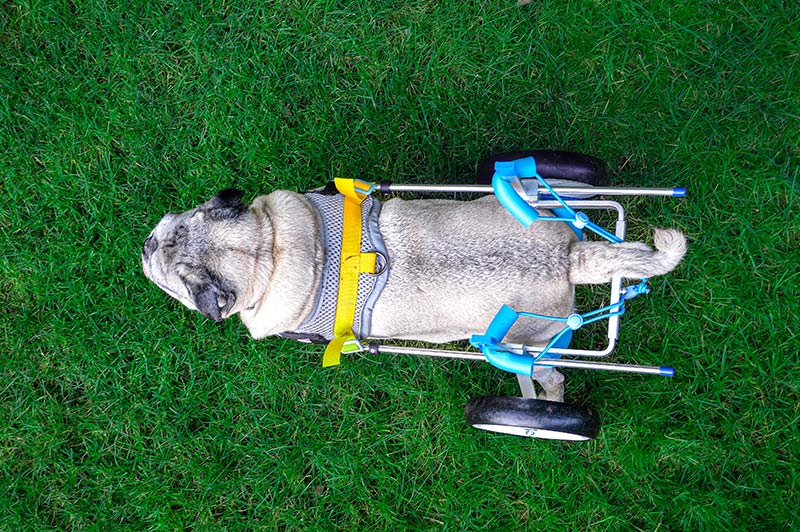
Unrestricted activities such as jumping, running, climbing stairs, or sudden twisting should be avoided, as these movements can increase spinal pressure and raise the risk of further disc injury. Dogs often need support during transitions such as standing up, lying down, or walking short distances, particularly if weakness or coordination issues are present.
Handling technique also matters. When lifting is required, the spine should be kept as level as possible by supporting both the front and hind end. Harnesses are often preferred over collars, especially for dogs with neck involvement, as they reduce strain on the cervical spine. Careful movement control at this stage helps create the conditions needed for healing and sets the foundation for safe physical support as recovery progresses.
Supporting Physical Recovery and Ongoing Function
As a dog stabilises, the focus of care gradually shifts toward supporting safe physical function. Prolonged restriction without appropriate guidance can lead to muscle weakness, reduced joint mobility, and slower recovery, which is why physical support must be introduced carefully and at the right time.
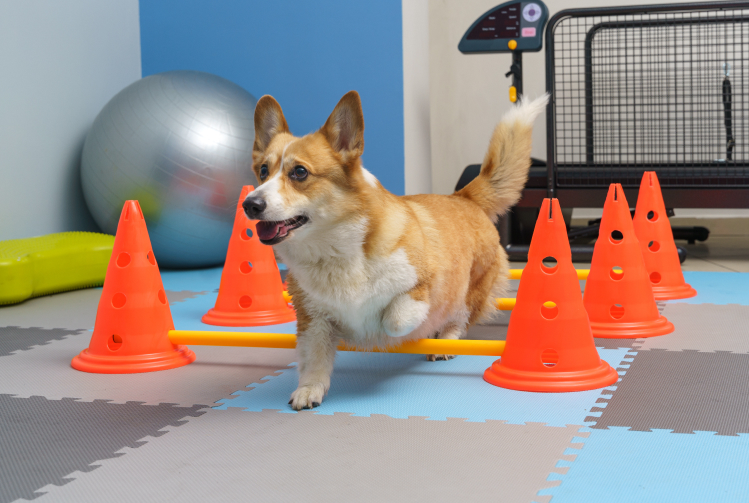
Controlled rehabilitation aims to maintain muscle strength, encourage coordinated movement, and reduce compensatory strain on other parts of the body. This may include guided exercises, assisted standing or walking, and gradual reintroduction of controlled activity based on the dog’s neurological status and comfort level.
For some dogs, hydrotherapy can be particularly useful during this stage. The buoyancy of water reduces load on the spine while allowing controlled movement, making it easier to work on strength and coordination without excessive impact. Similarly, structured physiotherapy helps ensure that movement is purposeful and protective rather than unstructured or risky. Rehabilitation should always be tailored to the individual dog and adjusted as recovery progresses.
Helping Your Dog Maintain Comfort and Quality of Life
Managing IVDD requires careful attention to movement, comfort, and changes in neurological function. The right support at the right time can help protect the spine and maintain safe, functional movement.
At Advanced Animal Rehabilitation, we provide tailored physiotherapy and hydrotherapy programmes to support dogs with IVDD at different stages of management and recovery.
Contact us today to schedule an appointment with our rehabilitation veterinary team.