

Hip dysplasia can significantly limit a dog’s mobility, comfort, and overall quality of life. As the condition progresses, pain, stiffness, and reduced joint function often make everyday movements such as standing, climbing stairs, or walking increasingly difficult.
Although the condition itself cannot be reversed, thoughtful physical support can ease strain on affected joints and preserve movement. Therapies that allow dogs to stay active without excessive load play an important role in this process. In water, buoyancy softens impact while movement remains purposeful, creating an environment that supports strength, stability, and more comfortable motion over time.
This combination of reduced stress and controlled activity makes hydrotherapy particularly valuable for dogs managing hip dysplasia.
1. Soothes Inflammation and Reduces Joint Stiffness
The warmth and buoyancy of the water reduce the load placed on your dog’s hip joints, helping to ease inflammation and relieve stiffness. With pressure reduced, the muscles surrounding the hips are able to relax more fully.
Gentle, controlled movement in the water encourages circulation and improves joint mobility without aggravating pain. These small but consistent improvements can make routine movements such as standing or walking feel noticeably easier.
2. Builds Muscle Strength
Hydrotherapy allows your dog to build strength through controlled exercise without the joint impact associated with land-based movement. The natural resistance of the water engages muscles in a steady, controlled way, while reducing the load placed on the hips.
As the muscles around the hips and hind limbs become stronger, they provide better support for the joints. This added muscular support helps stabilise the hips and reduce ongoing strain, which can slow further degeneration linked to hip dysplasia.
3. Improves Mobility
Regular hydrotherapy sessions help improve your dog’s range of motion, balance, and flexibility. Movement in water allows joints to move through a wider, more comfortable range while also improving circulation in the hips and hind limbs, supporting joint and soft tissue health.
As mobility improves, many dogs begin to move more naturally and with less hesitation. Everyday movements, such as climbing stairs or walking for longer periods, often become more manageable over time.
4. Supports Weight Management
Maintaining a healthy weight is essential for dogs with hip dysplasia, as excess weight places additional strain on already vulnerable joints. Hydrotherapy provides a safe way for your dog to exercise, burn calories, and build muscle without repetitive impact on the hips.
Over time, better weight control combined with improved muscle tone helps reduce overall joint stress, supporting long-term hip joint health
5. Offers Non-Surgical Support
Hydrotherapy offers a non-surgical approach to managing hip dysplasia by reducing pain, improving hip mobility, and supporting overall joint health. It is particularly beneficial for dogs that require long-term management, including those recovering from injury or living with a chronic condition.
By allowing regular, low-impact exercise, hydrotherapy supports ongoingrehabilitation without placing excessive mechanical stress on the hip joints, helping dogs remain active as part of their daily routine.
Is Hydrotherapy Safe for Dogs with Hip Dysplasia?
When performed under professional supervision, hydrotherapy is widely regarded as a safe and effective option for dogs with hip dysplasia. It allows dogs to exercise in a controlled setting while minimising stress on painful or unstable hip joints.
The benefits of hydrotherapy come from three key properties of water:
- Buoyancy
Water supports a portion of your dog’s body weight, reducing pressure on the hips and allowing movement with less discomfort. - Resistance
Moving through water creates gentle, even resistance, helping strengthen the muscles that support the hip joints without overloading them. - Warmth
Warm water relaxes tight muscles, improves circulation, and enhances flexibility, making movement smoother and more comfortable.
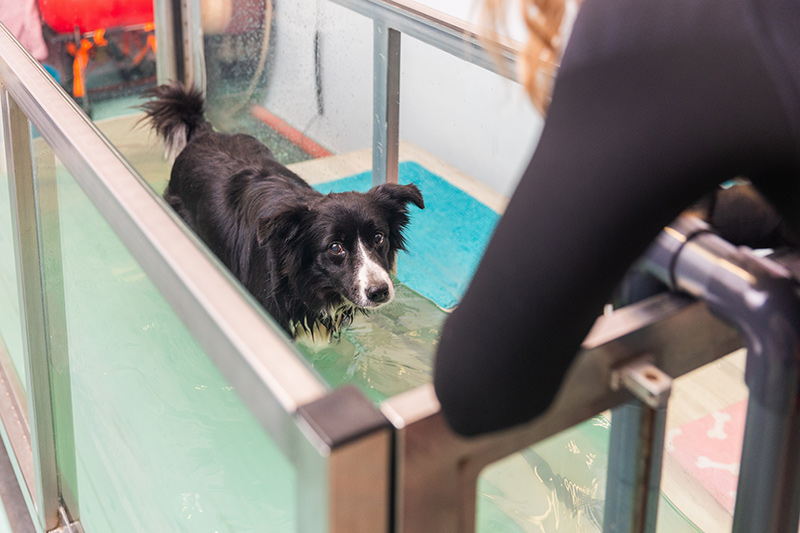
Common hydrotherapy methods include underwater treadmill sessions and supervised swimming. Both allow dogs to move in a natural, controlled way while keeping joint strain to a minimum. Used consistently, these exercises can help reduce pain and support gradual improvements in hip mobility.
Helping Your Dog Move Freely Again with Advanced Animal Rehabilitation
Seeing your dog struggle with hip dysplasia can be challenging, but making informed choices about supportive therapies can have a real impact on their comfort and mobility. Incorporating hydrotherapy into your dog’s care plan helps support strength, flexibility, and joint protection without relying on invasive intervention.
At Advanced Animal Rehabilitation, we provide structured hydrotherapy programmes with ongoing veterinary guidance. Many dogs are able to move more comfortably and remain engaged in daily activities for longer with consistent, professionally supervised care.
Consult us to learn how our rehabilitation veterinary team can design a hydrotherapy programme tailored to your dog’s specific needs.